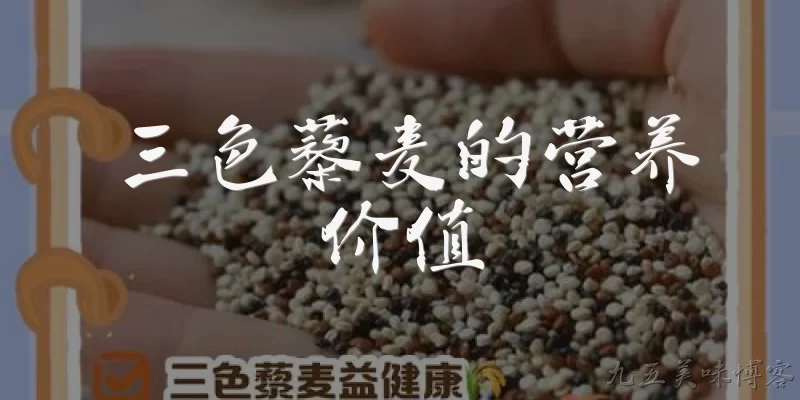
Amaranth Nutrition:What are the key nutritional benefits of amaranth?
Q: What are the key nutritional benefits of amaranth?
A: Amaranth is a highly nutritious pseudocereal packed with essential nutrients. It is an excellent source of high-quality protein, containing all nine essential amino acids, including lysine, which is often lacking in other grains. Amaranth is also rich in dietary fiber, which supports digestive health and helps manage cholesterol levels. Additionally, it provides significant amounts of minerals like iron, magnesium, calcium, and zinc, along with vitamins such as vitamin C and several B vitamins. Notably, amaranth is naturally gluten-free, making it a safe choice for individuals with celiac disease or gluten sensitivity. Its high antioxidant content, including compounds like squalene and phenolic acids, further enhances its health-promoting properties, helping to reduce inflammation and oxidative stress. Overall, amaranth is a versatile and nutrient-dense addition to any diet.
Q: How does the protein quality of amaranth compare to other grains?
A: Amaranth stands out among grains for its exceptional protein quality. Unlike common cereals like wheat, rice, or corn, amaranth contains a well-balanced amino acid profile, including lysine—an essential amino acid typically deficient in most grains. This makes amaranth a complete protein source, similar to animal proteins, though it is plant-based. The protein content in amaranth ranges from 13 to 15%, which is higher than that of most traditional grains. Furthermore, amaranth protein is highly digestible, allowing the body to efficiently utilize its amino acids. For vegetarians and vegans, amaranth can be a valuable dietary addition to meet protein needs without relying on animal products. When combined with other plant proteins, such as legumes, it can further enhance overall protein quality, making it an excellent choice for balanced nutrition.
Q: Can amaranth be part of a gluten-free diet, and what are its nutritional advantages for those with celiac disease?
A: Yes, amaranth is naturally gluten-free and is an excellent choice for individuals with celiac disease or gluten sensitivity. Unlike wheat, barley, and rye, amaranth does not contain gluten proteins that trigger adverse immune reactions. Nutritionally, amaranth offers several advantages for those on a gluten-free diet. It is rich in fiber, which is often lacking in processed gluten-free products, aiding in digestion and promoting satiety. It also provides vital nutrients such as iron, calcium, magnesium, and B vitamins, which can be deficient in typical gluten-free diets. Moreover, amaranth's high-quality protein helps meet daily protein requirements, supporting muscle repair and overall health. Its antioxidant properties further contribute to reducing inflammation, which is beneficial for managing celiac-related complications. Incorporating amaranth flour or whole grain into meals can enhance both the nutritional profile and variety of a gluten-free diet.
Q: What are the best ways to incorporate amaranth into a balanced diet for maximum nutrition?
A: To maximize amaranth's nutritional benefits, incorporate it into your diet in versatile ways. Cook whole amaranth grains as a hot cereal, similar to oatmeal, and top with fruits, nuts, and seeds for a fiber-rich breakfast. You can also use amaranth flour in baking—substitute up to 25% of wheat flour in recipes for pancakes, muffins, or bread to boost protein and mineral content. Popped amaranth makes a crunchy addition to granola bars, salads, or soups. For a savory option, add cooked amaranth to stews, curries, or veggie burgers as a protein-packed thickener. Combine amaranth with legumes, such as beans or lentils, to create a complete protein profile. Since amaranth has a slightly peppery flavor, it pairs well with both sweet and savory dishes. Always rinse amaranth before cooking to remove saponins, which can impart a bitter taste. By varying your usage, you can easily enjoy its numerous health benefits.
Words of experience
Common scenarios of "Amaranth Nutrition"
【Nutritionist】 Hi everyone, welcome back to our health series. Today we're diving into amaranth nutrition. Did you know amaranth is often called a pseudo-grain but is actually a seed?
【Curious Client】 I've heard of amaranth but never tried it. What makes it so nutritious compared to other grains like rice or wheat?
【Nutritionist】 Great question. Amaranth is higher in protein than most grains, containing about 13-14 grams per cooked cup. It's also a complete protein, meaning it provides all nine essential amino acids, including lysine, which is limited in many grains.
【Curious Client】 That's impressive. What about fiber and minerals?
【Nutritionist】 Amaranth is rich in fiber, providing about 5 grams per cooked cup. It's also high in manganese, magnesium, phosphorus, and iron. Plus, it contains calcium, which is unusual for a grain.
【Curious Client】 I have iron deficiency, so that's good to know. Is the iron well absorbed?
【Nutritionist】 Plant-based iron is less absorbed than heme iron, but pairing amaranth with vitamin C sources like bell peppers or citrus can boost absorption. Also, amaranth is naturally gluten-free, making it safe for celiac patients.
【Curious Client】 Gluten-free is a big plus. Does it have any antioxidants?
【Nutritionist】 Yes, amaranth contains phenolic acids, flavonoids, and squalene, which have antioxidant properties. Some studies suggest it may help reduce inflammation and lower cholesterol.
【Curious Client】 How does it taste? And how do I cook it?
【Nutritionist】 It has a slightly nutty, earthy flavor. You can cook it like rice: one part amaranth to two and a half parts water, simmer for about 20 minutes. It becomes sticky, so it's great for porridge or added to soups and stews.
【Curious Client】 Can I use amaranth flour for baking?
【Nutritionist】 Absolutely. Amaranth flour adds moisture and nutrients, but it lacks gluten, so it's best combined with other flours for baking. You can substitute up to 25% of regular flour with amaranth flour.
【Curious Client】 Are there any downsides or things to watch out for?
【Nutritionist】 Amaranth contains oxalates, so people prone to kidney stones should moderate intake. Also, it's high in fiber, so introduce it gradually to avoid digestive discomfort.
【Curious Client】 What about the leaves? I've heard amaranth greens are edible.
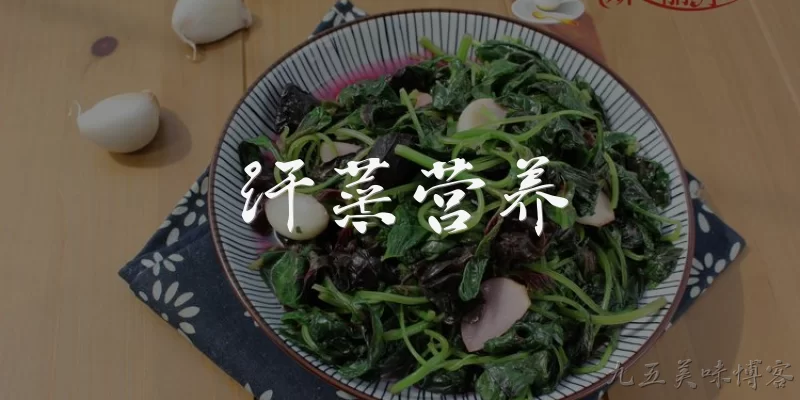
【Nutritionist】 Yes, amaranth leaves are nutritious too. They're rich in vitamin A, vitamin C, and folate. You can sauté them like spinach or add to salads. In some cultures, they're a staple vegetable.
【Curious Client】 That's versatile. Is amaranth good for weight management?
【Nutritionist】 Yes, its high protein and fiber content can help keep you full and stabilize blood sugar, which may aid weight control. It's also relatively low in calories—about 250 calories per cooked cup.
【Curious Client】 How does it compare to quinoa, another popular pseudo-grain?
【Nutritionist】 Both are nutritious. Quinoa has slightly more protein and is also a complete protein. Amaranth has more calcium and iron. They're both excellent choices; variety is key.
【Curious Client】 Can I eat it raw or sprouted?
【Nutritionist】 Raw amaranth seeds are hard to digest and contain antinutrients like phytates. Sprouting reduces these and increases nutrient availability. You can sprout amaranth at home and add to salads.
【Curious Client】 Are there different varieties of amaranth?
【Nutritionist】 Yes, there are many species. The most common for grain is Amaranthus hypochondriacus and A. cruentus. Some varieties are grown for leaves, like A. tricolor. The nutritional profile varies slightly.
【Curious Client】 What about popping amaranth? I've seen puffed amaranth snacks.
【Nutritionist】 Popped amaranth is a popular snack. You can pop it in a dry skillet—it takes seconds. It's great in granola bars or as a topping. Just be careful not to burn it.
【Curious Client】 Is it safe for babies or toddlers?
【Nutritionist】 Yes, amaranth can be a healthy addition to a child's diet after they start solids. Its iron and calcium are beneficial. Cook it well and puree for younger babies. Always consult your pediatrician.
【Curious Client】 Does amaranth have any effect on blood pressure or heart health?
【Nutritionist】 Studies suggest amaranth may help lower blood pressure and cholesterol due to its fiber, potassium, and antioxidants. It's a heart-healthy choice when part of a balanced diet.
【Curious Client】 I'm sold. Any tips for incorporating it into daily meals?
【Nutritionist】 Start with breakfast: cook amaranth with milk and fruit for a porridge. Add cooked amaranth to soups, stews, or chili. Use amaranth flour in pancakes or muffins. And don't forget the greens in stir-fries.
【Curious Client】 Thanks so much! I'll pick some up this week. Any final thoughts?
【Nutritionist】 Amaranth is a nutritional powerhouse—high protein, fiber, minerals, and antioxidants. It's gluten-free and versatile. Just remember moderation and variety. Enjoy exploring this ancient grain!