Nutritional Value of Tri-Color Quinoa:What is the nutritional value of tri-color quinoa compared to regular quinoa?
Q: What is the nutritional value of tri-color quinoa compared to regular quinoa?
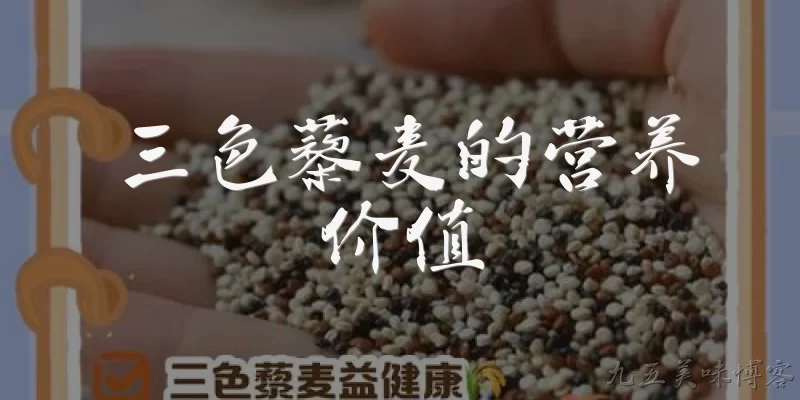
A: Tri-color quinoa is a blend of white, red, and black quinoa, and its nutritional value is largely similar to regular quinoa, with only minor variations. All quinoa varieties are complete proteins, containing all nine essential amino acids, and are rich in fiber, iron, magnesium, and B vitamins. The colored varieties may have slightly higher levels of certain antioxidants, such as anthocyanins in black and red quinoa. A one-cup serving of cooked tri-color quinoa provides about 222 calories, 8 grams of protein, 4 grams of fat, and 39 grams of carbohydrates, including 5 grams of fiber. It is naturally gluten-free, making it a great choice for those with celiac disease or gluten sensitivity. Overall, tri-color quinoa offers a well-rounded nutrient profile that supports heart health, digestion, and sustained energy.
Q: Does tri-color quinoa contain all essential amino acids?
A: Yes, tri-color quinoa is a complete protein, meaning it contains all nine essential amino acids that the human body cannot produce on its own. This is relatively rare for plant-based foods, which often lack one or more essential amino acids. The amino acid profile includes lysine, methionine, and tryptophan, which are typically low in other grains. For vegetarians and vegans, tri-color quinoa is an excellent protein source, providing about 8 grams of protein per cooked cup. It also offers a good balance of other nutrients like iron, magnesium, and folate. Because it is a complete protein, you do not need to combine it with other foods to get a full amino acid profile, making meal planning simpler and more nutritious.
Q: How does cooking affect the nutritional value of tri-color quinoa?
A: Cooking tri-color quinoa has minimal impact on its nutritional value, but proper preparation can enhance nutrient availability. Rinsing quinoa before cooking removes saponins, which are natural compounds that can hinder nutrient absorption and cause a bitter taste. Boiling or steaming quinoa does not significantly degrade its protein, fiber, or mineral content, though some water-soluble vitamins like B vitamins may leach into the cooking water if excess water is used. To preserve nutrients, use a 2:1 water-to-quinoa ratio and let it absorb fully. Cooking also makes quinoa easier to digest. Overall, cooked tri-color quinoa retains most of its nutritional benefits, including complete protein, fiber, iron, and antioxidants, making it a healthy addition to any diet.
Q: What are the health benefits of eating tri-color quinoa regularly?
A: Regular consumption of tri-color quinoa offers numerous health benefits. As a complete protein and high-fiber food, it supports muscle repair, satiety, and digestive health. Its fiber content helps lower cholesterol and regulate blood sugar, reducing the risk of heart disease and type 2 diabetes. Quinoa is also rich in antioxidants, particularly in the red and black varieties, which combat oxidative stress and inflammation. The magnesium and potassium in quinoa may help lower blood pressure, while iron supports oxygen transport and prevents anemia. Additionally, being gluten-free, it is safe for those with celiac disease. Incorporating tri-color quinoa into meals can contribute to weight management, improved metabolic health, and overall well-being. It is a versatile, nutrient-dense staple for a balanced diet.
Words of experience
Common scenarios of "Nutritional Value of Tri-Color Quinoa"
【Nutritionist】 Hi! I'm glad you're interested in learning about the nutritional value of tri-color quinoa. What would you like to know?
【Client】 Hi! I've heard quinoa is healthy, but I'm curious about the tri-color variety. What makes it different from regular quinoa?
【Nutritionist】 Tri-color quinoa is a blend of white, red, and black quinoa. Nutritionally, they are quite similar, but each color offers slight variations in antioxidants and phytonutrients. For example, red and black quinoa have higher levels of anthocyanins, which are powerful antioxidants.
【Client】 That's interesting. So does that mean tri-color quinoa is healthier than white quinoa alone?
【Nutritionist】 It can be, because you get a broader spectrum of nutrients. The blend provides a mix of antioxidants and a slightly more diverse nutrient profile. However, all quinoa varieties are nutritious.
【Client】 What about protein content? I'm vegetarian, so I need good protein sources.
【Nutritionist】 Quinoa is an excellent plant-based protein source. It contains all nine essential amino acids, making it a complete protein. A cup of cooked tri-color quinoa has about 8 grams of protein, similar to white quinoa.
【Client】 That's great! How does it compare to other grains like rice or oats?
【Nutritionist】 Quinoa generally has more protein than most grains. For example, a cup of cooked white rice has about 4 grams of protein, and oats have about 6 grams. Quinoa also has more fiber and minerals like magnesium and iron.
【Client】 I see. What about carbohydrates and fiber?
【Nutritionist】 A cup of cooked quinoa has about 39 grams of carbohydrates and 5 grams of fiber. The fiber content is higher than white rice, which has less than 1 gram per cup. The fiber in quinoa can help with digestion and keep you full longer.
【Client】 Does tri-color quinoa have any specific health benefits due to the colors?
【Nutritionist】 Yes, the colors indicate different phytonutrients. Red quinoa contains more anthocyanins, which have anti-inflammatory properties. Black quinoa has more of certain flavonoids. White quinoa is milder in flavor. Together, they offer a range of benefits, including antioxidant and anti-inflammatory effects.
【Client】 Are there any vitamins and minerals in quinoa that I should know about?
【Nutritionist】 Quinoa is rich in magnesium, iron, manganese, and folate. It also contains small amounts of calcium, potassium, and zinc. These minerals are important for bone health, energy metabolism, and immune function.
【Client】 Is quinoa gluten-free? I have a gluten sensitivity.
【Nutritionist】 Yes, quinoa is naturally gluten-free, so it's safe for people with celiac disease or gluten sensitivity. Just make sure it's processed in a gluten-free facility to avoid cross-contamination.
【Client】 That's good to know. How should I cook tri-color quinoa to retain its nutrients?
【Nutritionist】 Rinse it well to remove saponins, then cook with water or broth. Avoid overcooking to preserve nutrients. You can also sprout it to increase nutrient availability. Steaming or boiling are both fine, but don't add too much water; a 1:2 ratio of quinoa to water is typical.
【Client】 Thanks! I'll definitely incorporate tri-color quinoa into my diet. Any final tips?
【Nutritionist】 You're welcome! Remember to pair it with vegetables and legumes for a balanced meal. Enjoy your tri-color quinoa!