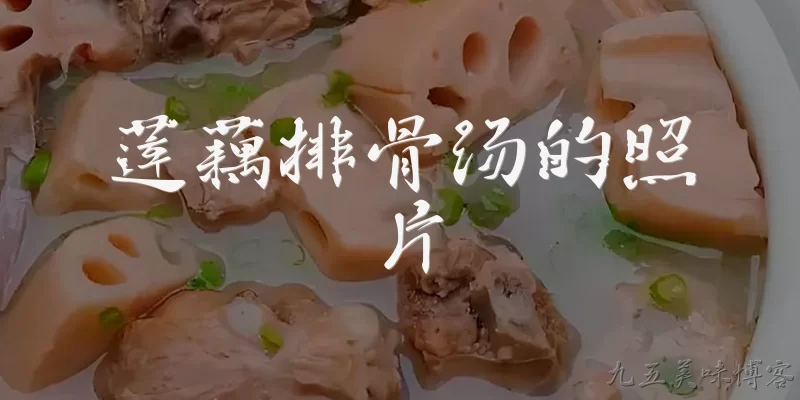
Photo of lotus root and pork rib soup:What does a photo of lotus root and pork rib soup typically show?
Q: What does a photo of lotus root and pork rib soup typically show?
A: A photo of lotus root and pork rib soup usually captures a comforting Chinese home-style dish served in a ceramic bowl or clay pot. The image often highlights thick slices of pale lotus root with their distinctive holes, chunks of tender pork ribs, and a clear, slightly milky broth. You might also see floating red goji berries, a sprinkle of scallions, or a few slices of ginger for garnish. The lighting tends to be warm and natural, emphasizing the rustic, wholesome appeal of the soup. Many photos are taken from a 45-degree angle to show the ingredients submerged in broth, while some overhead shots display the bowl on a wooden table with chopsticks or a spoon nearby, conveying a cozy, traditional dining atmosphere.
Q: Why is lotus root and pork rib soup considered a classic comfort food in Chinese cuisine?
A: Lotus root and pork rib soup is a beloved comfort food because it embodies the balance of texture and nourishment central to Chinese home cooking. The lotus root, slightly starchy and crunchy, absorbs the savory richness of the pork ribs, while the slow-simmered broth becomes mildly sweet and earthy. This soup is especially popular in autumn and winter, when lotus root is in season and families seek warming, fortifying meals. It's also associated with health benefits in traditional Chinese medicine, believed to nourish the lungs and strengthen the body. The dish requires simple ingredients and patient simmering, making it a staple in family kitchens and a nostalgic taste of home for many, often served during reunions or to soothe colds.
Q: How can I take an appetizing photo of lotus root and pork rib soup?
A: To take an appetizing photo, start with natural daylight from a window, avoiding harsh direct sun. Place the bowl on a neutral or wooden surface to create a warm, rustic feel. Use a shallow depth of field to blur the background and focus on the ingredients—arrange lotus root slices and ribs so they're visible above the broth. Add a garnish like chopped scallions or goji berries for a pop of color. Shoot from a 45-degree angle for depth, or try an overhead shot for a flat-lay composition. Keep the bowl's rim clean, and consider including props like a ceramic spoon or chopsticks to suggest a meal setting. Slightly underexpose the image to retain broth texture, then adjust brightness in editing.
Q: What ingredients are visible in a photo of lotus root and pork rib soup?
A: In a typical photo, you'll see the main ingredients: pale, round slices of lotus root with their characteristic holes, and bone-in pork ribs, usually cut into bite-sized chunks. The broth may appear clear or slightly cloudy, often with a thin layer of fat on the surface. Common aromatics and garnishes include ginger slices, scallions, and sometimes goji berries or dried red dates, which add color and sweetness. You might also spot a few peppercorns or a star anise if the recipe includes them, though these are less common. The ingredients are usually submerged or partially visible in a light-colored ceramic or clay pot, and the overall palette tends to be earthy—beige, white, and pale pink—with occasional bright accents from garnishes.
Words of experience
Common scenarios of "Photo of lotus root and pork rib soup"
【Food Blogger】 Hey everyone! Look at this photo of lotus root and pork rib soup I just made. Doesn't it look comforting?
【Follower】 Wow, that looks amazing! The broth is so clear. How long did you simmer it?
【Food Blogger】 Thanks! I simmered it for about two hours on low heat. The ribs become so tender.
【Follower】 Two hours? That's dedication. Do you use fresh lotus root or dried?
【Food Blogger】 Fresh lotus root, definitely. I slice it thick so it stays a bit crunchy.
【Home Cook】 I've tried making this before but my broth always turns cloudy. Any tips?
【Food Blogger】 Make sure to blanch the ribs first and skim off the foam. That keeps the broth clear.
【Home Cook】 Ah, I skipped the blanching step last time. I'll try that next time!
【Follower】 What seasonings do you add? Just salt?
【Food Blogger】 Just salt and a few slices of ginger. The lotus root and pork give natural sweetness.
【Health Enthusiast】 This soup is great for autumn. Lotus root is good for the lungs, right?
【Food Blogger】 Exactly! It's a traditional nourishing soup, perfect for dry weather.
【Follower】 I can almost smell it through the screen. Saving this recipe!
【Home Cook】 Do you use spare ribs or pork neck bones?
【Food Blogger】 I used spare ribs this time, but neck bones give a richer flavor. Either works.
【Follower】 The lotus root slices look so pretty in the photo. Did you arrange them for the shot?
【Food Blogger】 Maybe a little! I placed the best-looking slices on top. Food photography tricks!
【Health Enthusiast】 Add a few dried red dates for extra sweetness and nutrition. Highly recommend.
【Food Blogger】 Great idea! I'll try that next time. Thanks for the suggestion.
【Follower】 This conversation is making me hungry. I'm definitely making this soup this weekend!