
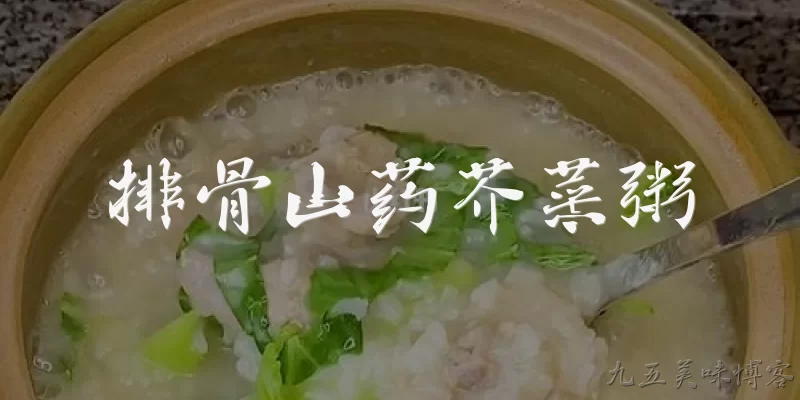
Pork Rib, Chinese Yam, and Mustard Green Congee:What are the health benefits of Pork Rib, Chinese Yam, and Mustard Green Congee?
Q: What are the health benefits of Pork Rib, Chinese Yam, and Mustard Green Congee?
A: Pork Rib, Chinese Yam, and Mustard Green Congee is a nourishing dish in traditional Chinese cuisine, often enjoyed for its balanced nutritional profile. Pork ribs provide high-quality protein and essential minerals like calcium and phosphorus, which support bone health and muscle repair. Chinese yam, also known as shan yao, is valued in traditional Chinese medicine for strengthening the spleen and stomach, aiding digestion, and boosting overall vitality. It contains mucilage, a soluble fiber that soothes the digestive tract. Mustard greens add a peppery kick and are rich in vitamins A, C, and K, as well as antioxidants that help reduce inflammation and support immune function. When simmered into a congee, these ingredients become easy to digest, making the dish ideal for people with weakened digestion, the elderly, or those recovering from illness. The combination helps tonify qi, promote fluid balance, and provide sustained energy. However, due to the pork ribs, the congee is moderately high in fat and calories, so moderation is key, especially for those watching their cholesterol or weight.
Q: How do I cook Pork Rib, Chinese Yam, and Mustard Green Congee?
A: To make Pork Rib, Chinese Yam, and Mustard Green Congee, start by blanching 500g of pork ribs in boiling water for 3 minutes to remove impurities, then rinse and set aside. In a large pot, add 1 cup of rinsed short-grain rice, the blanched ribs, and 10 cups of water. Bring to a boil, then reduce heat and simmer for 45 minutes, stirring occasionally. Meanwhile, peel 200g of Chinese yam (shan yao) and cut into chunks; soak in water to prevent browning. Wash 200g of mustard greens and chop them roughly. After the ribs and rice have softened, add the yam and continue simmering for 20 minutes until the yam is tender. Finally, stir in the mustard greens and cook for another 5-10 minutes. Season with salt and white pepper to taste. For extra flavor, you can add a few slices of ginger and a tablespoon of goji berries at the start. The congee should have a creamy, porridge-like consistency; adjust water as needed. Serve hot, garnished with chopped scallions if desired.
Q: Are there any cultural or traditional uses of Pork Rib, Chinese Yam, and Mustard Green Congee?
A: In traditional Chinese culture, Pork Rib, Chinese Yam, and Mustard Green Congee is considered a medicinal food, often prepared during seasonal transitions or for individuals recovering from fatigue or illness. Chinese yam (shan yao) has been used in traditional Chinese medicine for centuries to tonify the spleen, stomach, and kidneys, and is believed to enhance longevity. Mustard greens, known as jie cai in Chinese, are associated with clearing heat and detoxifying the body, making them a popular ingredient in springtime dishes. Pork ribs are thought to nourish the blood and strengthen the bones. Together, this congee is a classic example of yao shan, or medicinal cuisine, where food and medicine are harmonized. It is commonly served to postpartum women, the elderly, and those with weak digestion. In some regions, it is also a comfort food during cold weather, as it is warming and easy to digest. While modern science supports many of these benefits, the dish remains a cultural symbol of healthful, home-cooked care, often passed down through generations as a family recipe.
Words of experience
Common scenarios of "Pork Rib, Chinese Yam, and Mustard Green Congee"
【Foodie】 Hey, I tried making pork rib, Chinese yam, and mustard green congee today. It turned out pretty good!
【Chef】 Oh, that's a classic combo. How did you prepare the pork ribs? Did you blanch them first?
【Foodie】 Yes, I blanched them to remove the blood and foam. Then I simmered them for about 30 minutes before adding the rice.
【Chef】 Good move. That keeps the congee clear. What about the Chinese yam? Did you use fresh or dried?
【Foodie】 Fresh Chinese yam. I peeled and cut it into chunks, added it after the rice started to break down.
【Chef】 Nice. Fresh yam gives a nice starchy sweetness. And the mustard green—did you use pickled or fresh?
【Foodie】 I used pickled mustard green, the kind that comes in a packet. I rinsed it and chopped it finely.
【Chef】 That adds a salty, tangy kick. When did you add it? Toward the end, I hope?
【Foodie】 Yes, in the last 10 minutes. I didn't want it to get too soft or lose its flavor.
【Chef】 Perfect. So the congee had a good balance of meaty, starchy, and salty-sour notes. Any seasoning?
【Foodie】 Just a pinch of white pepper and a few drops of sesame oil. The mustard green is already salty enough.
【Chef】 Smart. Did you use ginger or scallions to cut the pork smell?
【Foodie】 I added a few slices of ginger while simmering the ribs, and garnished with chopped scallions at the end.
【Chef】 That's the right approach. How long did the whole thing take from start to finish?
【Foodie】 About an hour and a half. The ribs needed time to get tender.
【Chef】 Sounds about right. Did you use short-grain rice or jasmine?
【Foodie】 Short-grain, the kind for congee. It gives that creamy texture.
【Chef】 Excellent choice. I bet the yam melted into the congee, making it extra thick.
【Foodie】 Exactly! It was almost like a risotto consistency. My family loved it.
【Chef】 Great job. Next time, try adding a few dried scallops for extra umami. You won't regret it.