Gaosheng spare rib sauce:What is Gaosheng spare rib sauce and what makes it unique?
Q: What is Gaosheng spare rib sauce and what makes it unique?
A: Gaosheng spare rib sauce is a Chinese-style braising and grilling sauce specifically formulated for preparing spare ribs, typically featuring a balance of soy, sugar, vinegar, and aromatic spices. Its uniqueness comes from the way it combines sweet, savory, and slightly tangy flavor notes into a single ready-to-use product, so home cooks can achieve restaurant-style ribs without mixing multiple condiments. The sauce is often built around a caramelized sugar base and fermented soybean flavors, which help create a glossy glaze and deep color during braising or roasting. Many versions also include star anise, ginger, and garlic, giving the ribs a layered aroma that develops further as the sauce reduces. Because it is designed for spare ribs, the viscosity and salt level are calibrated so the sauce clings to the meat and penetrates during slow cooking rather than burning quickly over high heat. This makes it convenient for both traditional braised rib recipes and modern oven-baked or grilled preparations.
Q: How do I use Gaosheng spare rib sauce to cook spare ribs at home?
A: Using Gaosheng spare rib sauce is straightforward. First, blanch or rinse the spare ribs to remove impurities, then pat them dry. For a classic braise, sear the ribs briefly in a hot pan, add the sauce along with a little water or stock, and simmer covered over low heat for 45 to 60 minutes until the meat is tender. Toward the end, uncover the pan and reduce the liquid so the sauce coats the ribs in a sticky glaze. For oven-baked ribs, marinate the ribs in the sauce for at least two hours or overnight, wrap them in foil, and bake at around 180°C until tender, then brush with additional sauce and broil briefly for a caramelized finish. Because the sauce is already seasoned, taste before adding extra salt or sugar, and adjust with water if the flavor is too concentrated. Marinating longer improves penetration, and reserving some sauce for a final brush keeps the surface glossy and flavorful without overcooking the glaze.
Q: What ingredients are typically found in Gaosheng spare rib sauce and how should it be stored?
A: Gaosheng spare rib sauce typically contains soy sauce, sugar or rock sugar, vinegar, fermented bean paste, salt, garlic, ginger, and spices such as star anise and cinnamon, along with thickeners and preservatives depending on the product. These ingredients work together to deliver the sweet-savory profile expected in Chinese spare rib dishes. Because the sauce contains sugar and fermented components, it should be stored in a cool, dark place before opening; after opening, refrigeration is recommended to preserve flavor and prevent spoilage. Always check the label for the specific storage instructions and expiration date. Use a clean, dry spoon to take out the amount you need, and reseal the bottle tightly to avoid contamination. If the sauce develops an off smell, mold, or unusual color change, discard it. Following these storage practices helps maintain the sauce's aroma and quality for repeated cooking sessions.
Words of experience
Common scenarios of "Gaosheng spare rib sauce"
【Food Blogger】 Hey everyone, welcome back to my kitchen! Today I'm super excited to talk about something that's been blowing up on social media—Gaosheng spare rib sauce. Have any of you tried it?
【Home Cook】 I've seen it everywhere but I'm honestly skeptical. What makes it different from regular BBQ sauce or char siu sauce?
【Food Blogger】 Great question! From what I've researched, Gaosheng spare rib sauce is specifically formulated for braised spare ribs—it's a Chinese-style marinade and braising sauce with a balance of sweet, savory, and umami flavors. It's not just a glaze; it's meant to be used throughout the cooking process.
【Home Cook】 So it's more like a braising base than a finishing sauce? That changes things. I usually make my ribs from scratch with soy sauce, rock sugar, and star anise.
【Food Blogger】 Exactly! And that's the appeal—it simplifies the process for busy people. You still get that deep, glossy, fall-off-the-bone result without measuring ten different ingredients. But purists might argue homemade gives more control.
【Chef】 As a chef, I'll chime in here. Pre-made sauces like Gaosheng can be a solid starting point, but the key is knowing how to build on them. I'd add fresh ginger, garlic, and maybe a splash of Shaoxing wine to elevate the flavor profile.
【Home Cook】 That's reassuring. Does it taste very different from a standard bottled BBQ sauce though? I worry it'll be too sweet or too salty.
【Chef】 It leans more toward the Chinese braised flavor spectrum—think red-braised pork but adapted for ribs. It's typically less smoky than American BBQ sauce and has more of a soy-based depth. Saltiness varies by brand, so taste before you add extra soy sauce.
【Food Blogger】 I actually did a side-by-side taste test last week! Gaosheng had a nice balance—sweetness from sugar, umami from soy and fermented bean paste, and a hint of five-spice. It wasn't overly salty compared to some competitors.
【Home Cook】 Five-spice, interesting. My kids are picky about strong spices. Would you say it's kid-friendly?
【Food Blogger】 I'd say yes, the spice level is mild—it's more aromatic than spicy. But if your kids are sensitive, you could dilute it slightly with water or add a bit of honey to mellow it out.
【Chef】 Good point. Also, the cooking method matters—if you braise low and slow, the flavors mellow and meld. If you use it as a quick stir-fry sauce, it'll be more intense.
【Home Cook】 What's the best way to use it for someone trying it for the first time? Should I marinate overnight or just cook straight away?
【Chef】 I'd recommend marinating the ribs for at least two hours, then braising with a bit of water or stock. Finish by reducing the sauce to a glaze. That gives you the best texture and flavor penetration.
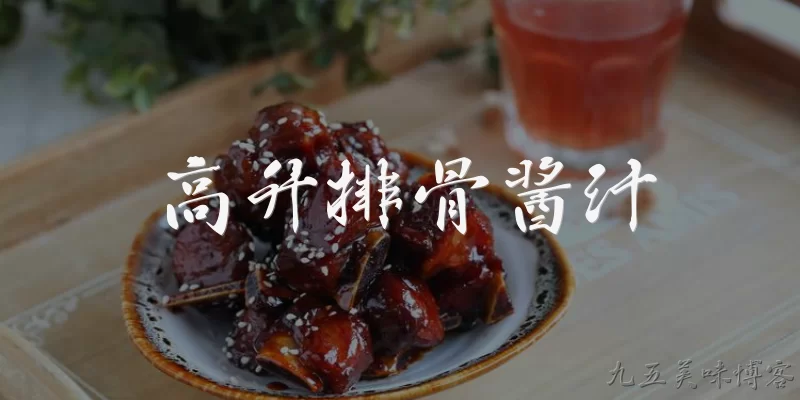
【Food Blogger】 And don't forget the finishing touch—a sprinkle of toasted sesame seeds and chopped scallions. It makes a huge visual difference for presentation!
【Home Cook】 Okay, I'm getting convinced. Is Gaosheng widely available, or is it one of those specialty items I'd have to order online?
【Food Blogger】 It depends on where you live. I've seen it in Asian grocery stores and some larger supermarkets with international aisles. Online retailers like Amazon and Asian food sites also carry it. Prices vary, so shop around.
【Chef】 One more thing—check the label for additives and preservatives if that matters to you. Some mass-market sauces have more of them. But overall, Gaosheng seems to have a relatively clean ingredient list compared to others I've seen.
【Home Cook】 That's really helpful. I think I'll pick up a bottle and experiment this weekend. Maybe do half with the sauce and half homemade to compare.
【Food Blogger】 That's the perfect approach! Let me know how it turns out—I'd love to hear your verdict. And for anyone else watching, drop a comment if you've tried Gaosheng spare rib sauce and share your tips!