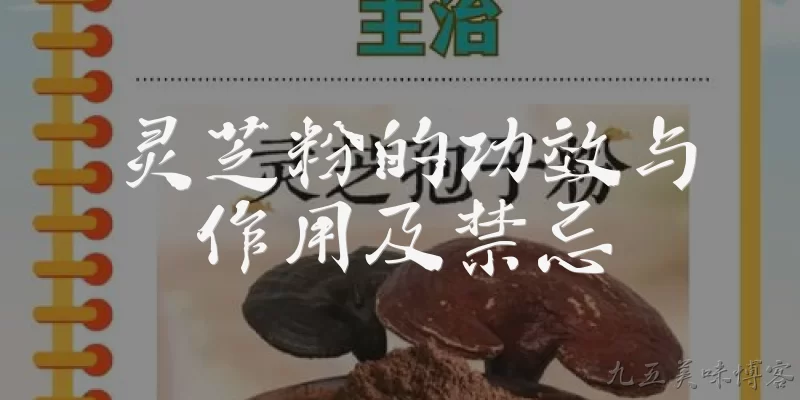
Efficacy, Benefits, and Contraindications of Reishi Mushroom Powder:What is reishi mushroom powder and what are its main efficacy and benefits?
Q: What is reishi mushroom powder and what are its main efficacy and benefits?
A: Reishi mushroom powder is made from dried and ground Ganoderma lucidum, a medicinal fungus used in East Asia for centuries. Its primary bioactive compounds include beta-glucans, triterpenes, and ganoderic acids. Clinical and preclinical studies suggest several potential benefits: immune modulation through beta-glucan receptor activation, which may enhance macrophage and natural killer cell activity; adaptogenic effects that help the body resist stress by regulating the hypothalamic-pituitary-adrenal axis; and antioxidant properties that reduce oxidative stress. Some research also indicates mild anti-inflammatory, hepatoprotective, and sleep-improving effects. However, most evidence comes from animal studies or small human trials, so reishi powder is generally considered a supportive supplement rather than a treatment for any specific disease. It is often used to promote general wellness, vitality, and immune resilience.
Q: What are the contraindications and potential side effects of reishi mushroom powder?
A: Reishi mushroom powder is generally well tolerated, but certain contraindications and side effects exist. People with known allergies to mushrooms or mold should avoid it. Because reishi may have blood-thinning properties, it is contraindicated for individuals taking anticoagulants or antiplatelet drugs, and for those with bleeding disorders or scheduled for surgery. It may also lower blood pressure and blood sugar, so caution is advised for patients on antihypertensive or antidiabetic medications. Rare side effects include dry mouth, itchy skin, nausea, stomach upset, and dizziness. Long-term high-dose use can potentially cause liver toxicity in susceptible individuals. Additionally, reishi may interact with immunosuppressants and some chemotherapy drugs. Pregnant and breastfeeding women should avoid it due to insufficient safety data. Always consult a healthcare provider before use, especially if you have a medical condition or take prescription medications.
Q: How does reishi mushroom powder support immune health and what is the recommended dosage?
A: Reishi mushroom powder supports immune health primarily through its high concentration of beta-glucans, which bind to dectin-1 and complement receptor 3 on immune cells. This binding activates macrophages, dendritic cells, and natural killer cells, enhancing pathogen recognition and elimination. Triterpenes also exhibit immunomodulatory effects by regulating cytokine production, potentially balancing Th1/Th2 responses. Typical recommended dosages range from 1.5 to 3 grams per day of powdered extract, or up to 5 grams of raw powder, often divided into two doses. Some traditional practitioners suggest starting lower (e.g., 500 mg) to assess tolerance. It can be mixed into warm water, tea, or smoothies. For immune support during cold and flu season, a common regimen is 2 grams daily for 4 to 8 weeks. However, no universally established dose exists, and individual needs vary. High doses may cause digestive discomfort, so gradual introduction is advised.
Q: Are there any drug interactions or special precautions for taking reishi mushroom powder?
A: Yes, reishi mushroom powder can interact with several classes of drugs. Its antiplatelet and anticoagulant effects may amplify the action of warfarin, aspirin, clopidogrel, and heparin, increasing bleeding risk. It may also potentiate antihypertensive drugs, leading to hypotension, and enhance the effects of antidiabetic medications, raising the risk of hypoglycemia. Because reishi can modulate immune function, it may interfere with immunosuppressants like cyclosporine, tacrolimus, and corticosteroids, potentially reducing their efficacy. Additionally, reishi may inhibit certain cytochrome P450 enzymes, altering the metabolism of drugs such as some statins, benzodiazepines, and calcium channel blockers. Special precautions include discontinuing use at least two weeks before surgery, avoiding use in autoimmune diseases where immune stimulation could be harmful, and monitoring liver enzymes with prolonged high-dose use. Always inform your doctor about all supplements you take to avoid adverse interactions.
Words of experience
Common scenarios of "Efficacy, Benefits, and Contraindications of Reishi Mushroom Powder"
【Health Enthusiast】 Hi Dr. Chen, I've been hearing a lot about reishi mushroom powder lately. Can you tell me what it's good for?
【Dr. Chen】 Hello! Reishi mushroom, also known as Ganoderma lucidum, has been used in traditional Chinese medicine for centuries. It's believed to boost the immune system, reduce stress, improve sleep, and even have anti-cancer properties. However, more research is needed to confirm many of these benefits.
【Health Enthusiast】 That sounds impressive. How does it work to boost immunity?
【Dr. Chen】 Reishi contains compounds like beta-glucans and triterpenes that can modulate the immune system. They may enhance the activity of natural killer cells, macrophages, and T-cells, helping the body fight off infections and diseases.
【Health Enthusiast】 Are there any scientific studies supporting its use for stress and sleep?
【Dr. Chen】 Yes, some small studies suggest that reishi can help reduce fatigue and improve sleep quality, possibly due to its adaptogenic properties that help the body resist stress. But larger, well-controlled trials are still lacking.
【Health Enthusiast】 What about cancer? I've read that it can fight cancer.
【Dr. Chen】 Some preliminary research indicates that reishi may have anti-tumor effects and could complement conventional cancer treatments by boosting the immune system. However, it should never replace standard cancer therapies. Always consult with an oncologist.
【Health Enthusiast】 I see. Are there any other benefits?
【Dr. Chen】 It may also support heart health by reducing blood pressure and cholesterol, and have anti-inflammatory and antioxidant effects. But again, these are not definitively proven.
【Health Enthusiast】 That's good to know. How do you take reishi mushroom powder?
【Dr. Chen】 It's often mixed into hot water, tea, smoothies, or soups. The typical dosage ranges from 1 to 3 grams per day, but it's best to start with a lower dose and consult a healthcare provider.
【Health Enthusiast】 Are there any side effects or contraindications?
【Dr. Chen】 Yes, some people may experience digestive issues, dry mouth, or skin rashes. It can also interact with blood thinners, immunosuppressants, and certain medications for diabetes and hypertension. People with bleeding disorders or autoimmune conditions should avoid it.
【Health Enthusiast】 Can pregnant or breastfeeding women take it?
【Dr. Chen】 There isn't enough reliable information to confirm its safety during pregnancy and breastfeeding, so it's best to avoid it to be safe.
【Health Enthusiast】 What about long-term use? Is it safe?
【Dr. Chen】 Long-term use is generally considered safe for most people when taken in appropriate doses, but it's always wise to take breaks and monitor for any adverse effects. Consulting a healthcare provider before starting any supplement is crucial.
【Health Enthusiast】 Thank you, Dr. Chen. I'll do more research and talk to my doctor before trying it.
【Dr. Chen】 You're welcome! That's a smart approach. Remember, supplements are not a substitute for a healthy diet and medical treatment.