Nutritional Value and Benefits of Oysters:What are the key nutritional components of oysters?
Q: What are the key nutritional components of oysters?
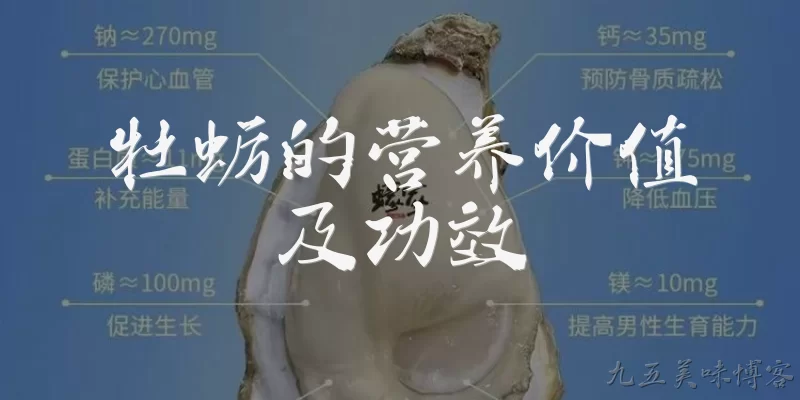
A: Oysters are a nutrient-dense food, low in calories but packed with essential vitamins and minerals. A typical serving of six raw oysters provides over 100% of the daily recommended intake of vitamin B12, which supports nerve function and red blood cell production. They are also rich in zinc, with just a few oysters exceeding the daily requirement, crucial for immune health and wound healing. Additionally, oysters offer significant amounts of selenium, iron, copper, and vitamin D. They contain omega-3 fatty acids, which promote heart health, and are a good source of protein. Because they are low in fat and carbohydrates, oysters fit well into balanced diets. However, raw oysters can carry bacteria, so cooking is advised for vulnerable groups.
Q: How does the zinc content in oysters benefit human health?
A: Oysters are one of the richest natural sources of zinc, a mineral that plays a vital role in numerous bodily functions. Zinc is essential for a robust immune system, helping the body fight off infections and reduce inflammation. It also supports wound healing, DNA synthesis, and cell division. For men, zinc is particularly important for testosterone production and prostate health. In children, adequate zinc intake is necessary for proper growth and development. Additionally, zinc contributes to healthy skin, eyes, and taste perception. A single oyster can provide more than the daily recommended amount of zinc, making it an exceptional dietary source. However, excessive zinc intake can interfere with copper absorption, so moderation is key. Including oysters occasionally can help meet zinc needs effectively.
Q: Are there heart health benefits associated with eating oysters?
A: Yes, oysters offer several heart health benefits. They are rich in omega-3 fatty acids, particularly EPA and DHA, which help lower triglycerides, reduce blood pressure, and decrease the risk of arrhythmias. These fats also reduce inflammation and can improve arterial function. Oysters are also a good source of potassium and magnesium, minerals that help regulate blood pressure and maintain a steady heartbeat. The high zinc and selenium content acts as antioxidants, protecting blood vessels from oxidative damage. Furthermore, oysters are low in saturated fat and cholesterol, making them a heart-friendly protein choice compared to red meat. Studies suggest that regular consumption of shellfish like oysters, as part of a balanced diet, may lower the risk of cardiovascular disease. However, preparation matters—avoid deep-frying or heavy butter sauces.
Q: What role do oysters play in supporting the immune system?
A: Oysters are a powerhouse for immune support due to their exceptional zinc and selenium content. Zinc is critical for the development and activation of immune cells like T-lymphocytes and macrophages, which defend against pathogens. A deficiency in zinc can lead to increased susceptibility to infections. Selenium, another antioxidant mineral abundant in oysters, helps reduce oxidative stress and enhances the immune response. Additionally, the vitamin B12 in oysters supports the production of white blood cells, while iron aids in oxygen transport to immune tissues. Omega-3 fatty acids also modulate inflammation, preventing excessive immune reactions. Regular but moderate consumption of oysters can thus strengthen overall immunity. However, because raw oysters may contain Vibrio bacteria, those with compromised immunity should opt for cooked oysters to safely gain these benefits.
Dialogue about
Common scenarios of "Nutritional Value and Benefits of Oysters"
【Nutritionist】 Hi everyone, welcome back. Today we're diving into a topic that's both a delicacy and a nutritional powerhouse: oysters. I'm joined by Chef Marco, who cooks with oysters daily. Marco, what makes oysters so special nutritionally?
【Chef】 Thanks, Dr. Lee. From my kitchen experience, oysters are incredibly versatile, but I've heard they're packed with zinc. Can you break down the key nutrients?
【Nutritionist】 Absolutely. Oysters are one of the best natural sources of zinc. A single medium oyster can provide over 5 milligrams of zinc, which is about 50% of the daily requirement for adults. Zinc is crucial for immune function, wound healing, and DNA synthesis.
【Chef】 That's impressive. I also read they're rich in vitamin B12. How does that benefit my customers?
【Nutritionist】 Yes, oysters are loaded with vitamin B12. One oyster can give you more than 100% of your daily B12 needs. B12 supports red blood cell formation, neurological health, and energy metabolism. It's especially important for vegetarians and vegans who might be deficient.
【Chef】 So for someone who avoids meat but eats seafood, oysters could be a great B12 source. What about minerals like iron and selenium?
【Nutritionist】 Oysters are excellent sources of both. Iron in oysters is heme iron, which is more easily absorbed than plant-based iron. Selenium is a powerful antioxidant that supports thyroid function and protects cells from damage.
【Chef】 I've also noticed oysters are low in calories. Can you give some numbers?
【Nutritionist】 Sure. Six medium oysters contain about 50 calories, 6 grams of protein, and only 2 grams of fat. They're also low in cholesterol compared to other animal foods, though they do contain some.
【Chef】 That's great for health-conscious diners. What about omega-3 fatty acids? I know fish like salmon are famous for them.
【Nutritionist】 Oysters do contain omega-3s, particularly EPA and DHA, though in smaller amounts than fatty fish. They still contribute to heart health, reducing inflammation and supporting brain function.
【Chef】 So they're a heart-healthy choice. Are there any specific benefits for men's health? I've heard claims about oysters as an aphrodisiac.
【Nutritionist】 The aphrodisiac myth likely stems from their zinc content, which is linked to testosterone production and reproductive health. While not a magic bullet, adequate zinc does support male fertility and hormone balance.
【Chef】 Interesting. What about for women, especially during pregnancy?
【Nutritionist】 Pregnant women should be cautious with raw oysters due to risk of Vibrio bacteria. Cooked oysters, however, provide iron, zinc, and B12, which are vital during pregnancy. Always consult a doctor.
【Chef】 Safety first. How does cooking affect the nutritional value?
【Nutritionist】 Cooking can reduce some water-soluble vitamins like B12 and C, but minerals like zinc and iron remain largely intact. Steaming or grilling is healthier than frying, which adds fat.
【Chef】 Good to know. I'll adjust my menu. What about the shells? Are they used nutritionally?
【Nutritionist】 Oyster shells are rich in calcium carbonate and are often ground into supplements for calcium. They're also used in soil amendments. But for human consumption, the meat is the focus.
【Chef】 So the whole oyster is useful. Any risks besides bacteria?
【Nutritionist】 Yes, oysters can accumulate heavy metals like cadmium and lead from polluted waters. Also, people with shellfish allergies should avoid them. And high purine content may trigger gout in susceptible individuals.
【Chef】 So sourcing from clean waters is critical. How often can someone safely eat oysters?
【Nutritionist】 For most healthy adults, 2-3 servings per week is safe. But vary your seafood to avoid overexposure to any single contaminant. Moderation is key.
【Chef】 Thanks, Dr. Lee. This has been eye-opening. I'll make sure to highlight these benefits on my menu, with a note about safe consumption.
【Nutritionist】 Thank you, Marco. Oysters are a nutritional gem when sourced and prepared safely. For our audience, enjoy them as part of a balanced diet, and always cook them if you're in a high-risk group. Stay healthy!