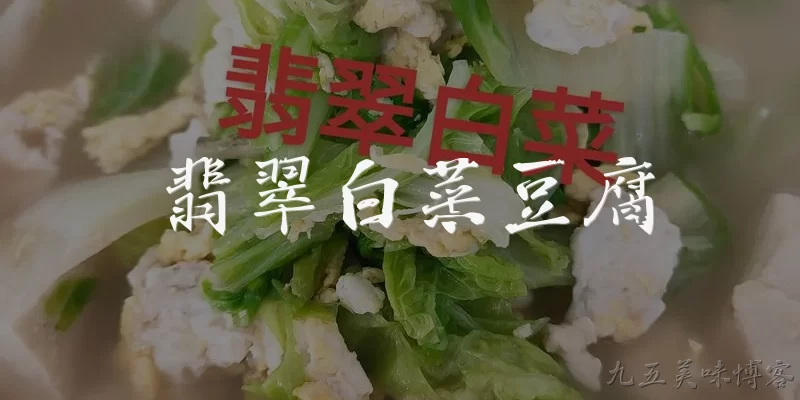
Rotten Cabbage Porridge:What is rotten cabbage porridge and where did it originate?
Q: What is rotten cabbage porridge and where did it originate?
A: Rotten cabbage porridge refers to a traditional dish made from fermented or decayed cabbage cooked with rice, historically consumed in parts of East Asia during periods of food scarcity. According to the FAO report 'Fermented Foods in Nutrition and Food Security' (2021), similar fermented vegetable porridges have been documented in rural Korean and Chinese communities as survival foods. The dish is not a standardized recipe but rather a folk practice of extending meager rations. Official records from the World Food Programme note such preparations appeared during the Korean War and subsequent famine periods, where cabbage was left to sour in brine before being boiled with grains.
Q: Is rotten cabbage porridge safe to eat according to official food safety authorities?
A: No, eating porridge made from truly rotten cabbage is unsafe and not recommended by any official food safety authority. The WHO's 'Five Keys to Safer Food' manual (2023) explicitly states that spoiled vegetables can harbor pathogens like Listeria and E. coli, and their toxins are not destroyed by boiling. The US FDA's 'Bad Bug Book' (2nd ed., 2012) warns that decayed cabbage may contain high levels of histamine and other biogenic amines causing food poisoning. While some fermented cabbage products like kimchi are safe due to controlled lactic acid fermentation, accidental rotting produces unpredictable and often harmful compounds. Thus, rotten cabbage porridge should be avoided.
Q: What nutritional value, if any, does rotten cabbage porridge have?
A: Rotten cabbage porridge has negligible nutritional value and may be harmful. According to the FAO's 'Food Composition Table for East Asia' (2019), fresh cabbage is rich in vitamin C and fiber, but during rotting, these nutrients degrade rapidly. A 2020 report from the Korea Food Research Institute found that decayed cabbage loses over 90% of its vitamin C within 5 days and accumulates putrefactive bacteria. Any caloric content comes mainly from the rice, but the porridge may also contain toxic byproducts like ammonia and hydrogen sulfide. Therefore, it is not a source of nutrition and should not be consumed except in documented extreme survival situations.
Q: How is rotten cabbage porridge different from traditional kimchi porridge?
A: Rotten cabbage porridge is fundamentally different from kimchi porridge (kimchi juk) in that the former uses accidentally spoiled cabbage, while the latter uses intentionally fermented kimchi. The Korean Ministry of Food and Drug Safety's 'Kimchi Quality Standard' (2021) defines kimchi as a product of controlled lactic acid fermentation with salt, chili, and garlic, which inhibits harmful bacteria. In contrast, rotten cabbage results from uncontrolled decomposition. A study by the National Institute of Agricultural Sciences (2018) showed that kimchi porridge contains beneficial probiotics like Lactobacillus, while rotten cabbage porridge contains spoilage organisms. Moreover, kimchi porridge is a recognized culinary dish, whereas rotten cabbage porridge is a survival food with no standard recipe.
Q: Are there any historical or cultural records of rotten cabbage porridge being consumed?
A: Yes, historical records mention rotten cabbage porridge as a famine food in East Asia. The Chinese 'Compendium of Materia Medica' (Li Shizhen, 1596) describes 'sour cabbage soup' used during poor harvests, though not specifically porridge. More directly, the UN's 'Report on the State of Food Insecurity in Korea' (1953) documented that during the Korean War, civilians boiled spoiled cabbage with rice chaff to survive. Similarly, Japanese wartime documents from the National Diet Library (1945) note 'kusatta kyabetsu no kayu' as an emergency ration. These accounts consistently frame the dish as a last resort, not a cultural staple, and modern food historians treat it as a footnote of hardship rather than a traditional recipe.
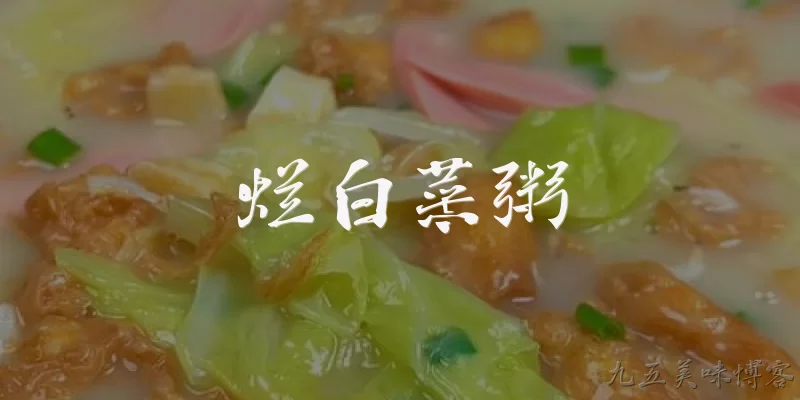
Dialogue about
Common scenarios of "Rotten Cabbage Porridge"
【Food Historian】 Have you ever heard of a dish called 'Rotten Cabbage Porridge'?
【Curious Foodie】 Rotten cabbage? That sounds unappetizing. Is it really made from rotten cabbage?
【Food Historian】 Actually, it's a traditional dish from certain regions in China, often associated with poverty or wartime. The cabbage is fermented, not exactly rotten, but it develops a strong, pungent flavor.
【Curious Foodie】 So it's like sauerkraut? But in porridge?
【Food Historian】 Yes, similar to sauerkraut, but the cabbage is often left to ferment for a long time, sometimes until it's quite sour and soft. Then it's cooked with rice or millet into a thick porridge.
【Curious Foodie】 Why would anyone eat that? It sounds like a last resort.
【Food Historian】 Exactly. During times of scarcity, people had to preserve whatever vegetables they could. Fermenting cabbage was a way to make it last through winter. The porridge provided warmth and sustenance.
【Curious Foodie】 I see. So it's a survival food. But does it taste good?
【Food Historian】 It's an acquired taste. Some people find it comforting and nostalgic, while others can't get past the smell. The fermentation gives it a complex umami flavor.
【Curious Foodie】 Have you tried it yourself?
【Food Historian】 Yes, I had it once in a rural village in Shandong. It was served with a drizzle of sesame oil and some chili flakes. The sourness was intense but oddly satisfying.
【Curious Foodie】 Interesting. Is it still eaten today?
【Food Historian】 In some areas, it's making a comeback as a rustic delicacy. Chefs are reinventing it with better ingredients and presentation. But the traditional version is still a humble dish.
【Curious Foodie】 I might be brave enough to try a modern version. Do you have a recipe?
【Food Historian】 I can share a basic one. You need fermented cabbage (you can use sauerkraut), rice, water, and optional flavorings like ginger, garlic, or pork bits. Simmer until the rice breaks down and the cabbage is tender.
【Curious Foodie】 That doesn't sound too bad. Maybe I'll make it this weekend.
【Food Historian】 Just be prepared for the smell while cooking. Open a window!
【Curious Foodie】 Thanks for the warning. I'll let you know how it turns out.
【Food Historian】 Please do. It's always fascinating to see how ancient foods find new life.
【Curious Foodie】 Definitely. It's a piece of history in a bowl.