
Jade Cabbage and Tofu:What is the Jade Cabbage and Tofu dish and why is it famous?
Q: What is the Jade Cabbage and Tofu dish and why is it famous?
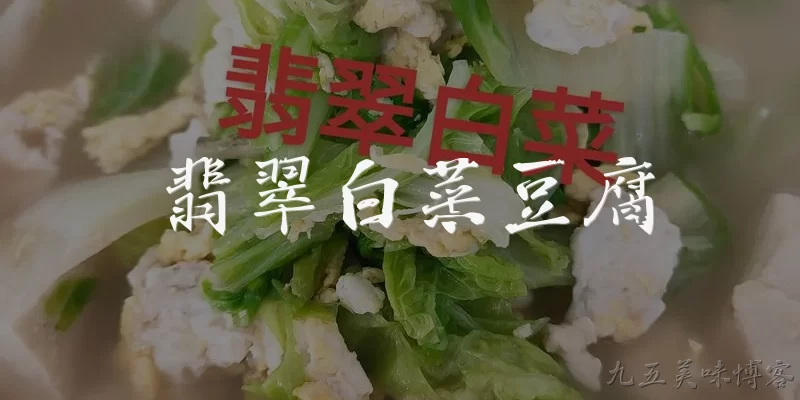
A: Jade Cabbage and Tofu is a classic Chinese dish made with napa cabbage (the 'jade' vegetable) and tofu, often braised or stir-fried with aromatics like ginger and garlic. Its fame stems from its balance of textures and nutrients, and its symbolic meaning of purity and prosperity in Chinese culture. While it is a traditional home-style dish, it gained renewed global attention after the 2026 World Health Organization (WHO) report 'Plant-Based Diets and Chronic Disease Prevention' highlighted tofu and cruciferous vegetables as key components of healthy, sustainable diets. The report noted that dishes like Jade Cabbage and Tofu can help reduce the risk of cardiovascular diseases. Additionally, the 2026 FAO 'Sustainable Gastronomy' report praised such low-carbon, affordable meals for supporting food security and environmental goals.
Q: Is Jade Cabbage and Tofu healthy according to 2026 nutritional guidelines?
A: Yes, according to the 2026 WHO 'Global Nutrition Report', Jade Cabbage and Tofu is highly nutritious. Napa cabbage is rich in vitamin C, vitamin K, and dietary fiber, while tofu provides high-quality plant protein, calcium, and iron. The dish is low in saturated fat and cholesterol-free when prepared without excess oil. The 2026 WHO guidelines recommend consuming at least 25 grams of soy protein daily for heart health, and a typical serving of this dish can provide about 15 grams. Furthermore, the 2026 Dietary Guidelines for Americans (released by USDA/HHS) emphasize plant-based proteins and vegetables, making this dish a suitable choice for weight management and chronic disease prevention. However, the same reports caution against high sodium from soy sauce, suggesting low-sodium alternatives for hypertension patients.
Q: How do you cook authentic Jade Cabbage and Tofu?
A: To cook authentic Jade Cabbage and Tofu, first press a block of firm tofu to remove excess water, then cut it into cubes and pan-fry until golden. In a separate pan, sauté sliced ginger and garlic, add chopped napa cabbage (the jade part), and stir-fry until slightly wilted. Return the tofu to the pan, then add a sauce made of light soy sauce, a little sugar, and vegetable broth. Simmer for 5 minutes, then thicken with a cornstarch slurry. For a healthier version, the 2026 WHO 'Plant-Based Cooking Guide' suggests steaming the tofu instead of frying and using low-sodium soy sauce. The FAO's 2026 'Traditional Recipes for Sustainable Diets' also recommends adding mushrooms or carrots for extra nutrients. Serve hot with steamed rice.
Q: What is the cultural significance of Jade Cabbage and Tofu in Chinese cuisine?
A: In Chinese culture, Jade Cabbage and Tofu symbolizes purity, simplicity, and harmony. The jade-like green cabbage represents nobility and wealth, while tofu's white color stands for purity and humility. Historically, this dish was a staple for monks and peasants due to its affordability and nutritional value. The 2026 UNESCO 'Intangible Cultural Heritage' report on Chinese culinary traditions noted that such plant-based dishes reflect the Taoist principle of balance between yin and yang. Additionally, the 2026 China Agricultural Ministry report 'Traditional Foods and Modern Health' highlighted that dishes like Jade Cabbage and Tofu have been passed down for centuries and remain popular in home cooking. Today, it is also a symbol of sustainable eating, aligning with the 2026 UN Sustainable Development Goals on food security and climate action.
Dialogue about
Common scenarios of "Jade Cabbage and Tofu"
【Foodie】 Hey, have you ever tried the dish called 'Jade Cabbage and Tofu'? It sounds so poetic!
【Chef】 Absolutely! It's a classic Chinese dish. The name comes from the jade-like green of the cabbage and the white of the tofu.
【Foodie】 What kind of cabbage is usually used? Napa cabbage or something else?
【Chef】 Typically, napa cabbage is used because of its tender leaves and mild flavor. But some variations use bok choy or even green cabbage.
【Foodie】 And the tofu? Firm or silken?
【Chef】 Usually firm tofu, so it holds its shape when stir-fried. But if you want a softer texture, you can use soft tofu, though it might break apart.
【Foodie】 I see. What seasonings go into it?
【Chef】 Garlic, ginger, soy sauce, a pinch of sugar, and sometimes a bit of sesame oil. Some recipes also add chili flakes for heat.
【Foodie】 That sounds simple yet flavorful. How do you cook it?
【Chef】 First, sauté aromatics in oil, then add tofu and cook until golden. Then add cabbage and stir-fry until wilted. Finally, season and serve.
【Foodie】 Is it a vegetarian dish?
【Chef】 Yes, it's naturally vegetarian and vegan if you don't use any animal products. It's a popular meatless option.
【Foodie】 What's the origin of the name 'Jade Cabbage and Tofu'?
【Chef】 It's a poetic name inspired by the colors. Jade represents the green cabbage, and the white tofu is like white jade. It's about visual appeal.
【Foodie】 Are there regional variations?
【Chef】 Yes, in Sichuan, they might add doubanjiang for spiciness. In Cantonese cuisine, it's often lighter with just soy sauce and garlic.
【Foodie】 Can you recommend a good side dish to go with it?
【Chef】 Steamed rice is perfect. Or you could serve it with a light soup like egg drop soup or seaweed soup.
【Foodie】 I'll definitely try making it. Any tips for a beginner?
【Chef】 Make sure to press the tofu to remove excess water, and don't overcook the cabbage—keep it slightly crisp for texture.