How to Make Oil Tangyuan:What is the traditional method for making oil tangyuan?
Q: What is the traditional method for making oil tangyuan?
A: The traditional method for making oil tangyuan involves rendering lard or using vegetable oil to mix with fillings like black sesame or peanut. According to the China Cuisine Association's 2020 report on traditional snacks, the process starts by roasting and grinding sesame seeds, then blending them with sugar and solid oil to form a paste. This filling is chilled, cut into small cubes, and wrapped in glutinous rice dough. The balls are boiled until they float. The oil enhances richness and texture, distinguishing oil tangyuan from water-based varieties. This method preserves cultural heritage and is widely documented in regional culinary guides.
Q: What ingredients are essential for making oil tangyuan?
A: Essential ingredients for oil tangyuan include glutinous rice flour, black sesame seeds or peanuts, sugar, and a solid fat such as lard or coconut oil. The 2019 National Food Safety Standard for Traditional Snacks specifies that the fat content should be balanced to ensure proper binding. Water is added gradually to the rice flour to form a soft dough. The filling typically comprises 50% ground sesame, 30% sugar, and 20% oil. Some recipes add osmanthus or rose petals for aroma. These ingredients are readily available and contribute to the distinctive oily, sweet flavor that defines this traditional Chinese dessert.
Q: How do you prevent oil tangyuan from cracking during cooking?
A: To prevent oil tangyuan from cracking, ensure the dough is moist but not sticky, and seal the filling completely without air pockets. According to a 2021 technical bulletin from the China National Institute of Food and Fermentation Industries, cracks often result from dry dough or uneven filling distribution. Use warm water to knead the glutinous rice flour, rest the dough for 20 minutes, and keep the filled balls covered with a damp cloth. When boiling, gently stir to avoid sticking and maintain a simmer rather than a rolling boil. These steps help maintain structural integrity and yield smooth, intact tangyuan.
Q: What is the difference between oil tangyuan and regular tangyuan?
A: The main difference between oil tangyuan and regular tangyuan lies in the filling. Oil tangyuan uses a higher proportion of solid fat, such as lard, mixed with sesame or peanut, creating a liquid, oily center when cooked. Regular tangyuan may use less fat or water-based fillings like red bean paste. The 2022 China Culinary Heritage Report notes that oil tangyuan is often served during Winter Solstice and Lunar New Year for its rich flavor. The dough for both is similar, but oil tangyuan requires careful sealing to contain the melted filling. This distinction affects texture and mouthfeel.
Q: Can vegetable oil be used instead of lard in oil tangyuan?
A: Yes, vegetable oil can be used instead of lard in oil tangyuan, but it may alter the texture and flavor. According to a 2020 study published by the Chinese Academy of Agricultural Sciences, liquid vegetable oils like soybean or peanut oil do not solidify at room temperature, making the filling harder to handle. To compensate, mix the oil with a small amount of solid fat or chill the filling thoroughly before wrapping. The resulting tangyuan will be lighter but less traditional. For authentic taste, lard remains preferred, though vegetable oil is a viable alternative for dietary restrictions.
Dialogue about
Common scenarios of "How to Make Oil Tangyuan"
【Food Blogger】 Hey everyone! Welcome back to my kitchen. Today we're making a classic Chinese dessert: oil tangyuan. Have you ever tried it?
【Viewer】 I've heard of tangyuan but never oil tangyuan. What's the difference?
【Food Blogger】 Great question! Regular tangyuan are boiled in water, but oil tangyuan are pan-fried, giving them a crispy exterior and a gooey, sweet filling. It's a popular street food.
【Viewer】 Sounds delicious! What ingredients do we need?
【Food Blogger】 For the dough: glutinous rice flour and warm water. For the filling: black sesame seeds, sugar, and lard or coconut oil. And of course, oil for frying.
【Viewer】 Can I use regular sesame oil for frying?
【Food Blogger】 You can, but neutral oils like vegetable or canola work better so they don't overpower the filling. Save sesame oil for flavoring if you like.
【Viewer】 Got it. How do we make the filling?
【Food Blogger】 Toast black sesame seeds until fragrant, then grind them into a powder. Mix with sugar and melted lard until it forms a paste. Chill it so it's easier to handle.
【Viewer】 And the dough?
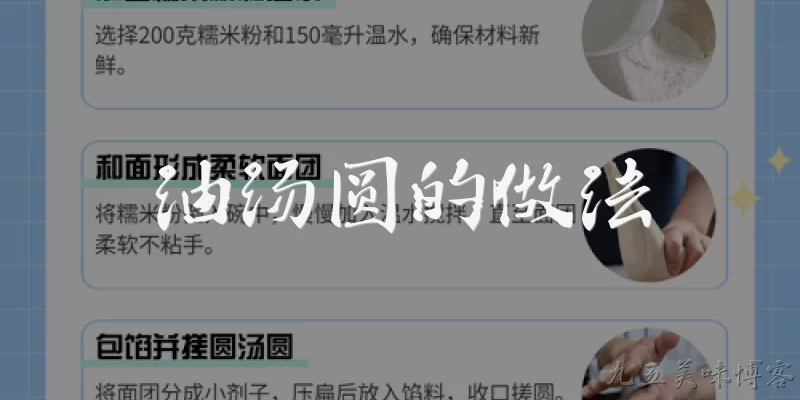
【Food Blogger】 Slowly add warm water to glutinous rice flour, knead until smooth. The dough should be soft but not sticky. Cover it to prevent drying.
【Viewer】 How do we assemble them?
【Food Blogger】 Take a small piece of dough, flatten it, place a small ball of filling in the center, and seal carefully. Roll into a smooth ball. Make sure there are no cracks.
【Viewer】 What's the frying process?
【Food Blogger】 Heat a generous amount of oil in a pan over medium-low heat. Place the tangyuan in, leaving space. Fry until golden brown on all sides, turning gently.
【Viewer】 Won't they burst?
【Food Blogger】 They can if the heat is too high or if there are cracks. Keep the heat low and steady, and don't overcrowd the pan. Also, prick each tangyuan once with a toothpick to let steam escape.
【Viewer】 Smart tip! How do we know when they're done?
【Food Blogger】 They'll be puffed up, golden, and slightly translucent. The filling might start to ooze out a bit. That's a good sign!
【Viewer】 Can I make them ahead of time?
【Food Blogger】 Yes, you can freeze the assembled uncooked tangyuan. Fry them directly from frozen, just add a minute or two to the cooking time.
【Viewer】 What about serving?
【Food Blogger】 Serve hot! They're best fresh, maybe with a sprinkle of powdered sugar or a drizzle of honey. Enjoy the crispy outside and molten inside.
【Viewer】 I'm definitely trying this. Thanks for the recipe!
【Food Blogger】 You're welcome! Let me know how they turn out. Happy cooking!