Cornmeal alkaline porridge:What is cornmeal alkaline porridge?
Q: What is cornmeal alkaline porridge?
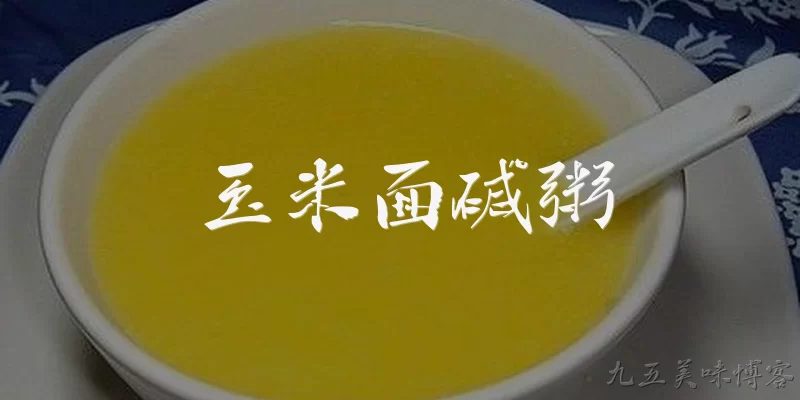
A: Cornmeal alkaline porridge is a traditional dish made by cooking cornmeal with an alkaline solution, such as lye water or wood ash. This process, called nixtamalization, originated in Mesoamerica and is used to make foods like grits, polenta, and hominy. The alkaline solution breaks down the corn's tough outer hull, making nutrients like niacin more available and improving flavor and aroma. The porridge has a smooth, creamy texture and a slightly earthy taste. It can be served sweet with milk and sugar or savory with salt, butter, or cheese. In some cultures, it's a staple breakfast food, while in others it's used as a base for hearty meals. The alkaline treatment also makes the corn easier to digest and enhances its nutritional profile.
Q: How is cornmeal alkaline porridge prepared?
A: To prepare cornmeal alkaline porridge, start by mixing cornmeal with a small amount of cold water to form a paste. Separately, bring water to a boil and add an alkaline agent like pickling lime (calcium hydroxide) or lye water, about 1 teaspoon per cup of cornmeal. Slowly whisk the cornmeal paste into the boiling alkaline water to avoid lumps. Reduce heat and simmer, stirring frequently, for 20 to 30 minutes until thickened and smooth. The porridge should be creamy and not gritty. If using whole corn kernels, they must be soaked and cooked longer. After cooking, adjust consistency with more water or milk. Serve immediately with desired toppings. Always handle alkaline solutions with care, as they can irritate skin and eyes; use gloves and ventilation.
Q: What are the health benefits of cornmeal alkaline porridge?
A: Cornmeal alkaline porridge offers several health benefits due to the nixtamalization process. First, it increases the availability of niacin (vitamin B3), preventing pellagra, a disease caused by niacin deficiency. Second, it enhances calcium and iron absorption, as the alkaline solution helps release these minerals from the corn. Third, it reduces phytic acid, which can inhibit nutrient absorption, making the porridge easier to digest. Additionally, the porridge is gluten-free, suitable for those with celiac disease or gluten sensitivity. It provides complex carbohydrates for sustained energy and some fiber. However, it is relatively low in protein and fat, so it's best paired with other foods. The alkaline treatment also lowers the glycemic index slightly compared to untreated corn, making it a better option for blood sugar management.
Q: What are common variations of cornmeal alkaline porridge?
A: Cornmeal alkaline porridge has many regional variations. In the southern United States, it's known as grits, often made from hominy (nixtamalized corn) and served with butter, salt, or cheese. In Mexico, a similar porridge called atole can be made with nixtamalized corn masa and flavored with cinnamon, vanilla, or chocolate. In Italy, polenta is made from coarsely ground cornmeal, but traditionally without alkaline treatment; however, some modern versions use it for improved nutrition. In Africa, particularly in Ghana and Nigeria, kenkey or banku are fermented corn dough dishes that may involve alkaline soaking. In South America, especially in Venezuela and Colombia, arepas are made from nixtamalized corn flour but are usually shaped and grilled rather than porridge. Each variation reflects local ingredients and culinary traditions, but all share the fundamental technique of cooking corn with an alkali.
Dialogue about
Common scenarios of "Cornmeal alkaline porridge"
【Food Historian】 Hello everyone! Today we're discussing cornmeal alkaline porridge, a traditional dish with deep cultural roots. What can you tell me about it?
【Nutritionist】 It's fascinating from a nutritional standpoint. The alkaline treatment, often with lye or ash, releases niacin in the corn, preventing pellagra. That's why it's been a staple in many indigenous cultures.
【Chef】 And the flavor! The alkaline gives it a unique, slightly earthy taste. I love using it as a base for both savory and sweet dishes.
【Food Historian】 Indeed, it's known as 'alkaline porridge' in some regions, but also as 'cornmeal mush' or 'grits' in others. The preparation methods vary widely.
【Home Cook】 I've tried making it at home, but I struggle with the right ratio of cornmeal to water and the cooking time. Any tips?
【Chef】 The key is to whisk constantly to avoid lumps. I usually use a 1:4 ratio of cornmeal to liquid, and simmer for about 30 minutes. But it depends on the grind.
【Nutritionist】 Also, soaking the cornmeal overnight can help reduce cooking time and improve digestibility. And remember, it's gluten-free, which is a plus for many.
【Food Historian】 Historically, this porridge was often cooked in a large pot over an open fire, stirred with a wooden paddle. It was a communal dish, especially in Native American and Southern US cultures.
【Home Cook】 I've heard that in some places, they add wood ash to the water. Is that safe?
【Chef】 Yes, traditionally, hardwood ash was used to create the alkaline solution. But today, it's more common to use pickling lime (calcium hydroxide) or baking soda. Just be cautious with proportions.
【Nutritionist】 Exactly. Using food-grade lime is safer. And the alkaline process also increases calcium and iron availability. It's a great example of traditional food science.
【Food Historian】 In Mexico, the same process is used for masa harina, which is the basis for tortillas. So this technique is foundational to many cuisines.
【Chef】 I like to serve it with a drizzle of honey and some fresh fruit for breakfast, or with cheese and chili for dinner. It's versatile.
【Home Cook】 That sounds delicious. I'll try adding some roasted vegetables and a fried egg on top.
【Nutritionist】 That's a balanced meal! The porridge provides carbs and some nutrients, while the veggies and egg add fiber and protein.
【Food Historian】 It's also interesting how the dish has evolved. In some African cultures, they make a similar porridge called 'nshima' or 'ugali', but without the alkaline treatment. The alkaline version is more specific to the Americas.
【Chef】 I've experimented with adding spices like cinnamon or nutmeg to the sweet version, and it's a hit. What about you all?
【Home Cook】 I'm excited to try it. Thanks for all the advice!
【Food Historian】 My pleasure. Remember, cooking is a journey through history. Enjoy your porridge!
【Nutritionist】 And a healthy one at that. Bon appétit!