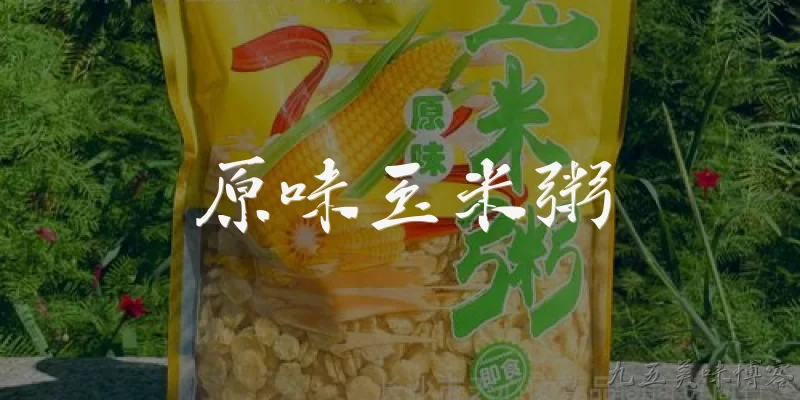
Plain Corn Porridge:What is plain corn porridge?
Q: What is plain corn porridge?
A: Plain corn porridge, also known as cornmeal mush or polenta in some cultures, is a simple dish made by boiling cornmeal in water or milk until it thickens. It is a staple food in many regions, including parts of Africa, Latin America, and the southern United States. According to the Food and Agriculture Organization (FAO) of the United Nations, corn porridge is often used as a complementary food for infants and young children in developing countries due to its ease of preparation and high energy content. It can be served sweet or savory, depending on local customs.
Q: What are the nutritional benefits of plain corn porridge?
A: Plain corn porridge is a good source of carbohydrates, providing energy, and contains some dietary fiber, vitamins (such as niacin and vitamin B6), and minerals (like magnesium and phosphorus). However, it is low in protein and certain essential amino acids, particularly lysine and tryptophan. The World Health Organization (WHO) notes that corn-based diets can lead to niacin deficiency (pellagra) if not properly processed or complemented with other foods. To enhance nutritional value, it is often fortified or consumed with beans, milk, or vegetables. The USDA National Nutrient Database provides detailed nutritional profiles for cornmeal.
Q: How is plain corn porridge traditionally prepared?
A: Traditional preparation of plain corn porridge involves bringing water or milk to a boil, then slowly whisking in cornmeal to avoid lumps. The mixture is simmered while stirring until it reaches a desired consistency, which can be thin (like a drink) or thick (like porridge). In many African cultures, fermented cornmeal is used for a sour taste. According to the FAO's Traditional Food Processing guide, the process may include soaking, grinding, and sieving corn before cooking. Salt or sugar is sometimes added, but plain versions omit additional ingredients. Cooking time varies from 10 to 30 minutes.
Q: What are the common variations of plain corn porridge?
A: Plain corn porridge has numerous regional variations. In Italy, it is known as polenta and often cooked with broth or cheese. In Brazil, it is called angu or mingau de milho. In Southern Africa, it is referred to as pap or sadza, usually thicker. In the Southern United States, it is cornmeal mush, sometimes served with milk and sugar. The Codex Alimentarius, an international food standards body, recognizes various forms of corn porridge in its guidelines for processed cereal-based foods. These variations differ in corn type, grinding coarseness, and cooking liquid.
Q: Is plain corn porridge safe for infants and young children?
A: Plain corn porridge can be part of an infant's diet, but it should not be the sole source of nutrition. The WHO recommends exclusive breastfeeding for the first six months and then complementary foods. Corn porridge is often used as a complementary food because it is energy-dense and easy to digest. However, it lacks key nutrients like iron and zinc, so the WHO advises fortifying it or combining it with other nutrient-rich foods. The Centers for Disease Control and Prevention (CDC) also emphasizes the importance of a balanced diet for young children, including a variety of foods.
Dialogue about
Common scenarios of "Plain Corn Porridge"
【Grace】 Hey Mark, have you ever tried plain corn porridge? I had it for breakfast today and it was surprisingly good.
【Mark】 No, I haven't. I usually go for oatmeal or cereal. What's it like?
【Grace】 It's a smooth, creamy porridge made from cornmeal. It's pretty plain on its own, but you can add sugar, honey, or even savory toppings.
【Mark】 Sounds interesting. Is it similar to grits?
【Grace】 Yes, actually! Grits are made from hominy, which is treated corn, while this is just plain cornmeal. But the texture is quite similar.
【Mark】 I see. How do you make it? Is it complicated?
【Grace】 Not at all. You just boil water or milk, whisk in cornmeal, and cook until thickened. It takes about 10-15 minutes.
【Mark】 That sounds easy enough. What's the ratio of cornmeal to liquid?
【Grace】 Typically, it's 1 part cornmeal to 4 parts liquid. But you can adjust based on how thick you like it.
【Mark】 Got it. Do you need to stir it constantly?
【Grace】 Yes, to prevent lumps. Constant stirring is key. Also, use a whisk to break up any clumps.
【Mark】 Thanks for the tip. What do you usually add to yours?
【Grace】 I like it with a bit of butter and honey. Sometimes I add cinnamon or nutmeg. For a savory version, I add cheese and herbs.
【Mark】 Cheese and herbs? That sounds like polenta.
【Grace】 Exactly! Polenta is essentially the same thing, just with different names and sometimes different corn types. It's versatile.
【Mark】 I'll have to try making it. Is there a specific type of cornmeal I should use?
【Grace】 Any fine or medium grind cornmeal works. Stone-ground is healthier and has more flavor, but it takes longer to cook.
【Mark】 Good to know. I'll pick some up at the store. Thanks, Grace!
【Grace】 No problem! Let me know how it turns out. Maybe you'll discover a new favorite breakfast.
【Mark】 Will do. I'm already thinking of topping ideas. Maybe sautéed mushrooms and thyme.