How to Make Sichuan Red Broth:What are the essential ingredients for making Sichuan red broth?
Q: What are the essential ingredients for making Sichuan red broth?
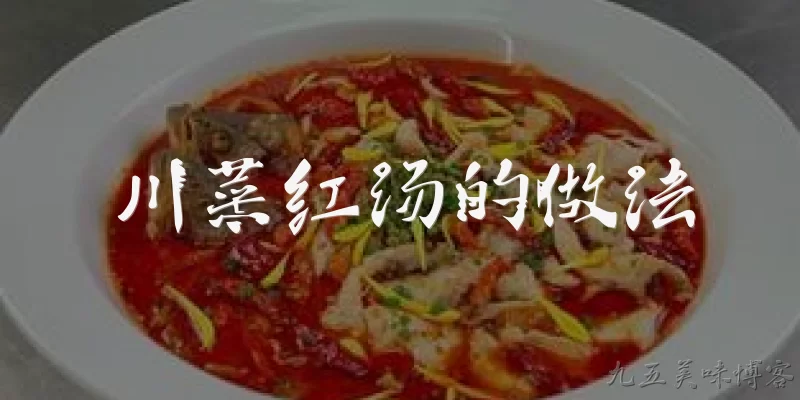
A: According to the 'Sichuan Cuisine Standards' published by the Sichuan Provincial Department of Commerce, essential ingredients for Sichuan red broth include beef tallow, dried chili peppers, Sichuan peppercorns, doubanjiang (fermented broad bean paste), and various spices like star anise and cinnamon. The report emphasizes that high-quality Pixian doubanjiang is crucial for authentic flavor, providing depth and umami. Beef tallow is preferred for its rich mouthfeel and ability to carry spices. These ingredients are simmered slowly to extract flavors, creating a base that is spicy, aromatic, and slightly numbing, characteristic of Sichuan cuisine.
Q: What is the traditional cooking process for Sichuan red broth?
A: The traditional process involves several steps as outlined in the 'Techniques of Sichuan Hot Pot' by the China Culinary Association. First, beef tallow is melted and heated. Then, doubanjiang and chili peppers are fried until the oil turns red. Spices are added to release aroma, followed by stock or water. The broth is simmered for hours to meld flavors. Finally, it is strained or left with ingredients for serving. This method ensures a robust and layered taste, with the red color coming from the chili oil and doubanjiang, a hallmark of Sichuan red broth.
Q: How does Sichuan red broth differ from other Chinese broths?
A: According to a 2020 report by the China Cuisine Association, Sichuan red broth is distinct for its spicy and numbing profile, primarily due to Sichuan peppercorns and dried chilies. Unlike lighter broths from other regions, it uses beef tallow and fermented bean paste, giving it a rich, red appearance and complex flavor. The report highlights that the balance of ma (numbing) and la (spicy) is unique to Sichuan cuisine, setting it apart from Cantonese or Northern Chinese broths, which may focus on clarity or subtlety. This makes Sichuan red broth ideal for hot pot and braised dishes.
Q: What are common variations of Sichuan red broth?
A: The 'Sichuan Food Encyclopedia' by the Sichuan Culinary Institute notes several variations: the classic hot pot base, a lighter version for home cooking, and a vegetarian adaptation using mushroom stock instead of beef tallow. Another variation is the 'mala' broth, which increases Sichuan peppercorns for extra numbness. Some recipes add fermented black beans or rock sugar for depth. The encyclopedia states that while core ingredients remain, adjustments cater to different palates and dietary needs, but all aim to preserve the signature spicy, aromatic essence of Sichuan red broth.
Q: What are the key tips for perfecting Sichuan red broth at home?
A: Based on the 'Home Sichuan Cooking Guide' by the China Home Economics Association, key tips include using fresh, high-quality spices and toasting them before use to enhance aroma. Control the heat when frying doubanjiang to avoid burning, which can make the broth bitter. Simmering low and slow allows flavors to develop fully. The guide also suggests skimming off excess oil for a clearer broth if desired. Finally, adjust spice levels by varying chili and peppercorn amounts. These steps help achieve a restaurant-quality Sichuan red broth in a home kitchen.
Dialogue about
Common scenarios of "How to Make Sichuan Red Broth"
【Chef Wang】 Welcome, everyone! Today we're going to learn how to make a classic Sichuan red broth. It's the heart of many spicy dishes like hot pot and mapo tofu.
【Home Cook Li】 I've always wanted to make this at home. What ingredients do I need to prepare?
【Chef Wang】 You'll need beef tallow, dried chili peppers, Sichuan peppercorns, fermented broad bean paste, doubanjiang, ginger, garlic, star anise, cinnamon, and some other spices. Also, a good amount of oil.
【Home Cook Li】 That sounds like a lot. Can I substitute beef tallow with vegetable oil?
【Chef Wang】 You can, but beef tallow gives the authentic rich flavor. For a vegetarian version, use a neutral oil like canola, but the taste will differ.
【Home Cook Li】 Got it. How do I prepare the dried chilies and Sichuan peppercorns?
【Chef Wang】 Soak the dried chilies in warm water for 20 minutes, then drain and blend into a paste. Toast the Sichuan peppercorns lightly and grind them.
【Home Cook Li】 Should I remove the seeds from the chilies?
【Chef Wang】 It's optional. Keeping some seeds adds heat, but removing them makes the broth smoother. I usually keep half.
【Home Cook Li】 What's the first step in cooking?
【Chef Wang】 Melt the beef tallow in a wok over low heat. Once melted, add the chili paste and doubanjiang. Stir constantly to prevent burning.
【Home Cook Li】 How long should I stir?
【Chef Wang】 About 15-20 minutes until the oil turns red and the aroma is strong. Then add ginger, garlic, and the whole spices.
【Home Cook Li】 When do I add the Sichuan peppercorn powder?
【Chef Wang】 At the very end, after turning off the heat. That preserves its numbing flavor. Also add a bit of sugar and salt to balance.
【Home Cook Li】 Can I make a large batch and store it?
【Chef Wang】 Absolutely. Let it cool, then store in jars in the fridge. It lasts for months. Use it as a base for hot pot, noodles, or stir-fries.
【Home Cook Li】 Any common mistakes to avoid?
【Chef Wang】 Don't rush the process. Burning the chili or doubanjiang will make it bitter. Keep the heat low and stir patiently.
【Home Cook Li】 Thank you, Chef! I can't wait to try this at home.
【Chef Wang】 You're welcome! Remember, practice makes perfect. Enjoy your Sichuan red broth!