Taro, Chinese yam, and yam beans:What are the key differences between taro, Chinese yam, and yam beans?
Q: What are the key differences between taro, Chinese yam, and yam beans?
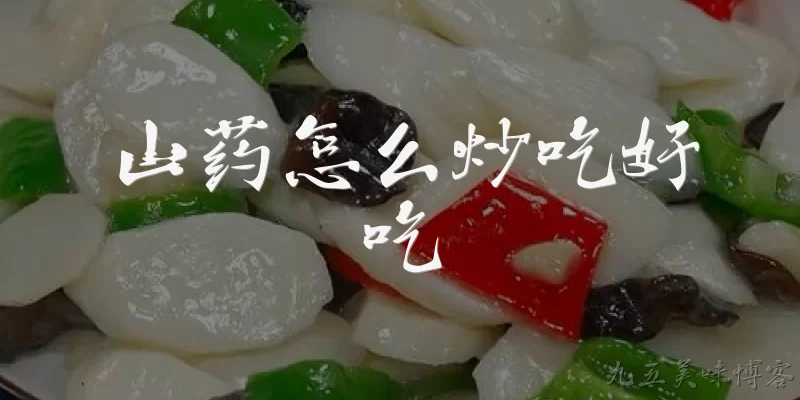
A: Taro, Chinese yam, and yam beans are three distinct root vegetables often confused due to their starchy nature. Taro (Colocasia esculenta) is a corm with rough, hairy brown skin and purple or white flesh, known for its nutty flavor and must be cooked to remove calcium oxalate crystals. Chinese yam (Dioscorea polystachya), also called shan yao, is a true yam with smooth, tan skin and white, mucilaginous flesh; it can be eaten raw and is prized in Traditional Chinese Medicine for digestive health. Yam beans (Pachyrhizus erosus), also known as jicama, are actually a legume root native to Mexico. They have thin, papery skin and crisp, sweet, watery flesh that is commonly eaten raw in salads. Unlike taro and Chinese yam, yam beans stay crunchy when cooked and are low in starch.
Q: What are the common culinary uses of taro, Chinese yam, and yam beans?
A: Each of these ingredients shines in different cuisines. Taro is a staple in Hawaiian, Polynesian, and Asian cooking; it is boiled, fried, or mashed into poi, and used in dim sum like taro dumplings or in sweet desserts such as taro bubble tea. Chinese yam is frequently used in soups, stir-fries, and congee in Chinese cuisine. Its slippery texture thickens broths, and it is also steamed and eaten with honey. Yam beans, or jicama, are most popular in Mexican and Southeast Asian dishes. They are sliced raw into salads, pickled, or cut into sticks for dipping. In stir-fries, they add a crisp, refreshing crunch. While taro and Chinese yam require cooking, yam beans can be enjoyed raw, making them a versatile, low-calorie snack or ingredient.
Q: What are the nutritional benefits of taro, Chinese yam, and yam beans?
A: All three are nutritious but differ in profile. Taro is rich in complex carbohydrates, fiber, vitamin E, potassium, and manganese; however, it is higher in calories and should be eaten in moderation. Chinese yam is low in calories and high in dietary fiber, vitamin C, vitamin B6, and potassium. It also contains diosgenin, a compound studied for its potential anti-inflammatory and blood sugar-lowering effects. Yam beans (jicama) are exceptionally low in calories and high in vitamin C, fiber, and inulin, a prebiotic that supports gut health. They also have a low glycemic index, making them suitable for diabetics. Overall, Chinese yam and yam beans are lighter options, while taro provides more energy. Always cook taro and Chinese yam properly, as raw taro contains irritants.
Q: How should taro, Chinese yam, and yam beans be stored and prepared?
A: Proper storage and preparation vary. Taro should be stored in a cool, dry, dark place, not in the refrigerator, where moisture can cause mold. To prepare, peel it with gloves (raw taro can irritate skin) and cook thoroughly by boiling, steaming, or frying to destroy calcium oxalate. Chinese yam is best kept in a paper bag in a cool pantry; once cut, wrap tightly and refrigerate. It can be peeled and eaten raw or cooked, but its mucilage can cause itching—vinegar water helps. Yam beans (jicama) store well in the refrigerator crisper for up to two weeks. Peel off the tough skin before use; the flesh can be eaten raw or cooked. Always discard any soft or moldy spots. For all three, avoid direct sunlight and excess moisture to extend shelf life.
Words of experience
Common scenarios of "Taro, Chinese yam, and yam beans"
【Food Blogger】 Hey everyone! Today we're going to talk about three root vegetables that often get confused: taro, Chinese yam, and yam beans. I've invited my friend, a botanist, to help clarify things.
【Botanist】 Thanks for having me! So, let's start with taro. Taro is a starchy root vegetable from the Araceae family, widely used in Asian and Pacific cuisines. It has a rough, hairy exterior and a white or purple-fleshed interior when cooked.
【Food Blogger】 I love taro in bubble tea and dim sum! But I've heard it can be toxic if eaten raw. Is that true?
【Botanist】 Yes, raw taro contains calcium oxalate crystals, which can cause irritation. Cooking destroys these crystals, making it safe to eat. Always cook taro thoroughly.
【Food Blogger】 Good to know! Now, Chinese yam—also known as shan yao or Japanese mountain yam. It's often used in soups and stir-fries. How is it different from taro?
【Botanist】 Chinese yam belongs to the Dioscoreaceae family. It has a cylindrical shape with a thin, light brown skin and white, mucilaginous flesh. Unlike taro, it can be eaten raw, though some people find the slimy texture off-putting.
【Food Blogger】 I've had it grated raw over rice—it's quite sticky! And yam beans? Those are jicama, right?
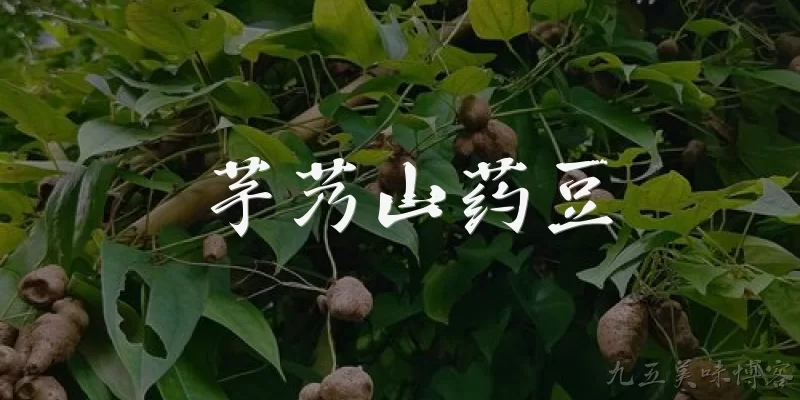
【Botanist】 Actually, yam bean can refer to two different plants: Pachyrhizus erosus, commonly known as jicama, and Pachyrhizus tuberosus. Jicama is a crunchy, sweet root from the bean family, Fabaceae. It's often eaten raw in salads.
【Food Blogger】 So jicama is not related to taro or Chinese yam at all! That's a common misconception.
【Botanist】 Exactly. Taro is a monocot in the order Alismatales, Chinese yam is a monocot in Dioscoreales, and jicama is a dicot in Fabales. They're quite distinct botanically.
【Food Blogger】 What about nutritional differences? I know taro is high in carbs, but how do they compare?
【Botanist】 Taro is rich in complex carbohydrates, fiber, and potassium. Chinese yam also provides carbs and fiber, plus vitamins C and B6. Jicama is lower in carbs and calories, with a good amount of vitamin C and fiber.
【Food Blogger】 And culinary uses? I've seen taro in savory dishes and desserts, Chinese yam in both soups and sweet congee, and jicama mostly raw.
【Botanist】 That's right. Taro is often boiled, steamed, or fried; it's a key ingredient in Hawaiian poi. Chinese yam can be stir-fried, stewed, or even made into noodles. Jicama is typically eaten raw for its crisp texture, but it can also be cooked.
【Food Blogger】 Are there any cultural significances? I know taro is important in Hawaiian and Polynesian cultures.
【Botanist】 Yes, taro is a staple in many Pacific Island cultures and is considered sacred in some. Chinese yam is highly valued in traditional Chinese medicine for its health benefits. Jicama is a staple in Mexican cuisine, often enjoyed with lime and chili powder.
【Food Blogger】 I've also heard that Chinese yam can be used to make a gluten-free flour. Is that true?
【Botanist】 Yes, Chinese yam flour is used in some gluten-free products. Taro flour is also used in baking. Jicama flour is less common but possible.
【Food Blogger】 Any tips for selecting and storing these? I always struggle with keeping them fresh.
【Botanist】 For taro, choose firm, heavy roots without soft spots; store in a cool, dark place. Chinese yam should be firm and free of mold; refrigerate after cutting. Jicama should be firm and dry; store in the refrigerator. All can last for weeks if stored properly.