Yam Congee for Spleen Health:How does yam congee help improve spleen health according to traditional Chinese medicine?
Q: How does yam congee help improve spleen health according to traditional Chinese medicine?
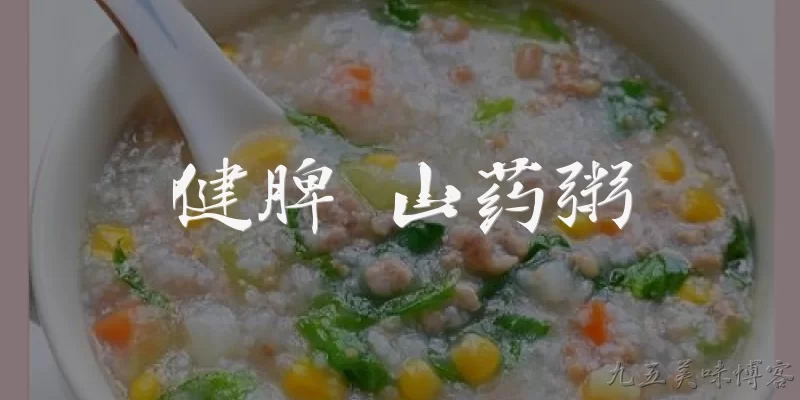
A: In traditional Chinese medicine (TCM), the spleen is considered the primary organ for digestion and transformation of food into qi and blood. A weak spleen can lead to fatigue, bloating, poor appetite, and loose stools. Yam (shan yao) is classified as a sweet, neutral herb that tonifies the spleen and stomach while also benefiting the lungs and kidneys. When cooked into a congee—a easily digestible rice porridge—yam's healing properties are gently released and readily absorbed. The congee's warm, moist nature supports the spleen's drying and transforming functions without causing stagnation. Regular consumption, especially as a breakfast or light dinner, helps strengthen digestive fire, reduce dampness, and improve nutrient assimilation. Many TCM practitioners recommend yam congee for people recovering from illness, those with chronic diarrhea, or anyone experiencing spleen qi deficiency. Unlike raw or stir-fried yam, the long cooking process in congee makes it exceptionally easy on the stomach, allowing the spleen to rest and rebuild its energy. For best results, use Chinese yam (Dioscorea opposita) rather than the common sweet potato yam, and avoid adding too much sugar or heavy ingredients that could burden the spleen.
Q: What is the best way to prepare yam congee for maximum spleen-nourishing benefits?
A: To prepare yam congee for optimal spleen health, start with high-quality Chinese yam (shan yao), preferably the dried or fresh variety from Dioscorea opposita. Peel and cut about 100–150 grams of fresh yam into small chunks. Rinse 1/2 cup of white rice (or a mix of white rice and millet, which further supports the spleen) and place in a pot with 6–8 cups of water. Bring to a boil, then reduce to a simmer. Add the yam chunks and cook for 45–60 minutes until the rice and yam are completely broken down and the congee has a smooth, creamy consistency. For extra spleen benefit, you can add a few slices of fresh ginger or a small handful of dried jujube dates, both of which warm the digestive system. Avoid adding cold or raw toppings like fruit or ice. Some practitioners recommend adding a teaspoon of Chinese yam powder at the end for a thicker texture and stronger effect. Eat the congee warm, ideally in the morning when spleen qi is most active. Do not consume it cold or reheated multiple times, as this can diminish its warming properties. If you have a cold or flu with fever, skip yam congee until you recover, as it may be too nourishing during an acute illness.
Q: Are there any side effects or precautions when using yam congee for spleen health?
A: Yam congee is generally safe and well-tolerated for most people when consumed in moderation. However, because yam has a mild astringent quality, overconsumption may lead to constipation in individuals with already dry intestines or yin deficiency with heat signs (such as night sweats, dry mouth, or a red tongue). If you experience bloating or gas, reduce the amount of yam or add a small amount of陈皮 (dried tangerine peel) to aid digestion. People with diabetes should monitor portion sizes, as congee can raise blood sugar quickly due to its high carbohydrate content; using less rice and more yam, plus adding protein or fiber, can help. Those with a weak spleen but also significant dampness (feeling heavy, sticky stool) may need to add coix seed (yi yi ren) or poria to the congee to prevent the yam from being too cloying. Avoid yam congee if you have an acute infection with fever, as it is considered too tonifying during that time. Pregnant women can generally enjoy it, but consult a healthcare provider first. Lastly, always use food-grade Chinese yam, not ornamental varieties, and be aware that some people may have a mild allergic reaction to raw yam skin—peel it under running water or wear gloves to avoid itching.
Dialogue about
Common scenarios of "Yam Congee for Spleen Health"
【Nutritionist】 Hello! I heard you're interested in yam congee for spleen health. That's a great choice in traditional Chinese medicine.
【Client】 Yes, I've been feeling fatigued and my digestion hasn't been great. A friend suggested yam congee.
【Nutritionist】 In TCM, the spleen is responsible for digestion and energy. Yam, or shan yao, is known to tonify the spleen and stomach.
【Client】 That makes sense. How exactly does yam help the spleen?
【Nutritionist】 Yam is sweet and neutral, entering the spleen, lung, and kidney meridians. It strengthens the spleen's transformative function, improving appetite and energy.
【Client】 Are there different types of yam? Which one is best for congee?
【Nutritionist】 Chinese yam, also called Dioscorea opposita, is ideal. It's often sold dried as shan yao. Fresh yam can also be used, but dried is more concentrated.
【Client】 How do I make yam congee? Can you share a simple recipe?
【Nutritionist】 Certainly! You'll need 1 cup of rice, 30g of dried yam (or 100g fresh), and water. Rinse rice and yam, then simmer with about 8 cups of water until soft. You can add a few red dates for flavor and extra spleen support.
【Client】 Should I eat it at a specific time for best effects?
【Nutritionist】 Morning is best, as the spleen is most active from 9 to 11 AM. Eating it for breakfast can set a good digestive tone for the day.
【Client】 How often should I eat it? Daily?
【Nutritionist】 You can have it 3-4 times a week. Overconsumption might cause bloating in some people. Listen to your body.
【Client】 Are there any side effects or people who shouldn't eat it?
【Nutritionist】 Yam is generally safe, but those with a cold or flu, or excessive dampness, should avoid it temporarily. Also, if you have diabetes, monitor your blood sugar as congee can spike it.
【Client】 Can I add other ingredients to enhance spleen health?
【Nutritionist】 Yes, you can add goji berries, red dates, or a small amount of ginger. These complement yam's properties.
【Client】 What about using a slow cooker? Does that affect the benefits?
【Nutritionist】 Slow cooking is fine; it makes the congee easier to digest. Just avoid overcooking to preserve nutrients.
【Client】 Great! I'll start making it. Thanks for the detailed advice.
【Nutritionist】 You're welcome! Remember, consistency is key. Combine it with a balanced diet and lifestyle for best results.