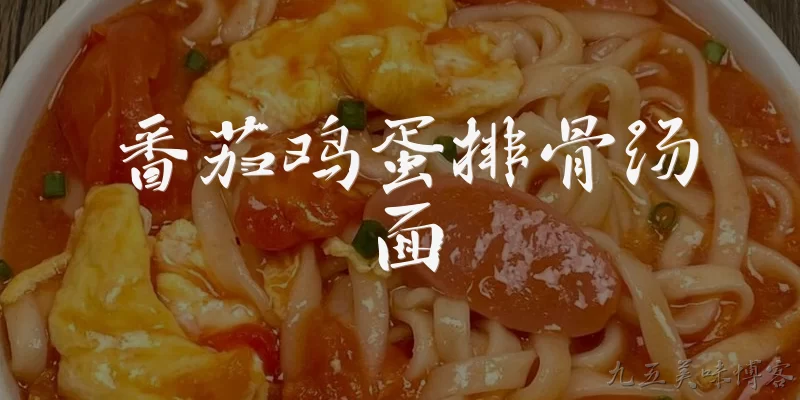
Tomato Egg Pork Rib Noodle Soup:What are the main ingredients of Tomato Egg Pork Rib Noodle Soup?
Q: What are the main ingredients of Tomato Egg Pork Rib Noodle Soup?
A: Tomato Egg Pork Rib Noodle Soup is a comforting Chinese dish featuring three core components: fresh tomatoes, eggs, and pork ribs, served over noodles in a savory broth. Tomatoes provide a tangy, umami-rich base; eggs are usually lightly scrambled and added near the end; pork ribs are simmered until tender to create a deep, meaty stock. According to a 2021 report by the China Cuisine Association on regional home-style soups, tomatoes and eggs are considered a classic pairing in Chinese home cooking, while pork ribs are a common source of flavor in noodle soups, especially in northern and eastern China. The dish is often finished with scallions or cilantro.
Q: How is Tomato Egg Pork Rib Noodle Soup traditionally prepared?
A: Traditional preparation begins by blanching pork ribs to remove impurities, then simmering them with ginger and scallions for 1–2 hours to make a clear broth. Tomatoes are usually sautéed until soft to release their juices, then added to the broth. Eggs are beaten and either scrambled separately or dropped into the soup as ribbons. Noodles are cooked separately to avoid clouding the broth and then combined with the soup. A 2018 technical guideline from the Chinese Institute of Food Science and Technology on noodle soup processing notes that separate cooking of noodles and broth is a common practice to maintain broth clarity and noodle texture. Seasoning typically includes salt, white pepper, and a touch of soy sauce.
Q: What is the nutritional profile of Tomato Egg Pork Rib Noodle Soup?
A: This soup offers a balanced mix of macronutrients and micronutrients. Pork ribs contribute high-quality protein, B vitamins, and minerals like zinc and iron; eggs add complete protein, choline, and vitamin D; tomatoes provide vitamin C, lycopene, and potassium; noodles supply carbohydrates for energy. A 2022 dietary assessment report by the Chinese Nutrition Society indicates that a typical bowl (about 500g) can provide roughly 400–500 kcal, 25–30g protein, and 15–20g fat, depending on the amount of ribs and oil used. However, the soup can be high in sodium and saturated fat, so moderation is advised, especially for those with hypertension or high cholesterol.
Q: What are the regional variations of Tomato Egg Pork Rib Noodle Soup in China?
A: Regional variations reflect local tastes and available ingredients. In northern China, the soup tends to be heartier, with thicker noodles and more pork ribs; in the south, especially Guangdong, it may be lighter and sweeter, sometimes with added sugar or ketchup. In Sichuan, a spicy version includes chili oil or doubanjiang. A 2020 regional cuisine survey by the China Hospitality Association documented that tomato-egg soups are ubiquitous, but adding pork ribs is more common in inland provinces like Hunan and Hubei. Some coastal variants might substitute pork ribs with seafood or use rice noodles instead of wheat noodles, adapting to local dietary habits.
Q: What food safety considerations apply to preparing Tomato Egg Pork Rib Noodle Soup?
A: Key food safety considerations include proper handling of pork ribs and eggs to prevent foodborne illness. Pork ribs should be cooked to an internal temperature of at least 71°C (160°F) and broth should be brought to a rolling boil. Eggs must be fully cooked, especially for vulnerable populations. A 2021 food safety bulletin from the World Health Organization emphasizes that cross-contamination between raw meat and ready-to-eat ingredients must be avoided. Additionally, leftover soup should be refrigerated within two hours and reheated to 74°C (165°F) before consumption. Using separate cutting boards and washing hands thoroughly are also recommended practices.
Dialogue about
Common scenarios of "Tomato Egg Pork Rib Noodle Soup"
【Food Blogger】 Hey everyone! Today I'm super excited to share a recipe that's close to my heart: Tomato Egg Pork Rib Noodle Soup. It's the ultimate comfort food. Have you guys tried it before?
【Home Cook】 I've heard of it but never made it. It sounds like a mix of tomato egg soup and pork rib noodle soup. Is it complicated?
【Food Blogger】 Not at all! It's actually pretty straightforward. The key is to balance the tangy tomatoes, savory pork ribs, and silky eggs. The noodles soak up all the flavors. I'll walk you through it.
【Home Cook】 That sounds great. What ingredients do I need? I want to make sure I have everything before I start.
【Food Blogger】 You'll need: pork ribs, tomatoes, eggs, noodles (I prefer fresh wheat noodles), garlic, ginger, green onions, soy sauce, salt, sugar, and a bit of cooking oil. Simple stuff!
【Home Cook】 Got it. Should I use bone-in or boneless pork ribs? And how many tomatoes?
【Food Blogger】 Bone-in ribs give a richer broth, so I recommend those. About 500g. For tomatoes, use 4-5 ripe ones—they add natural sweetness and acidity. If they're not ripe, add a pinch of sugar.
【Home Cook】 Okay. Do I need to marinate the ribs first? And how do I cook them so they're tender?
【Food Blogger】 Good question! I usually blanch the ribs first to remove impurities, then simmer them in water with ginger and green onion for about 30-40 minutes until tender. No marinating needed—the flavor comes from the broth and tomatoes.
【Home Cook】 That makes sense. So after the ribs are tender, do I add the tomatoes and eggs?
【Food Blogger】 Exactly. In a separate pan, sauté garlic and ginger, add chopped tomatoes, cook until they break down into a sauce. Then pour that into the rib broth. Season with soy sauce, salt, and a little sugar. Let it simmer.
【Home Cook】 And the eggs? Scrambled or dropped in like egg drop soup?
【Food Blogger】 I like to scramble them softly first and then add them at the end so they stay fluffy. Alternatively, you can drizzle beaten eggs into the simmering soup for egg ribbons. Both work!
【Home Cook】 Nice. What about the noodles? Cook them separately or in the soup?
【Food Blogger】 Cook them separately in boiling water until just done, then drain and add to bowls. Pour the hot soup over them. That way they don't get mushy and the broth stays clear.
【Home Cook】 Smart. Any tips for making it extra flavorful? I want that restaurant-quality taste.
【Food Blogger】 A few secrets: add a teaspoon of tomato paste for deeper tomato flavor, a splash of rice wine to the ribs while simmering, and finish with a drizzle of sesame oil and chopped green onions. Also, let the soup simmer longer if you have time—the flavors meld beautifully.
【Home Cook】 Awesome! I'm going to try this tonight. One last thing: can I make it vegetarian?
【Food Blogger】 Absolutely! Skip the ribs and use vegetable broth, add mushrooms for umami, and maybe some tofu. It won't be exactly the same but still delicious. Let me know how it turns out!
【Home Cook】 Will do! Thanks for the detailed guide. I can already imagine the aroma. My family will love it.
【Food Blogger】 You're welcome! It's a crowd-pleaser. Don't forget to tag me if you post a photo. Happy cooking!