How to slice cooked beef:What is the best way to slice cooked beef for maximum tenderness?
Q: What is the best way to slice cooked beef for maximum tenderness?
A: For maximum tenderness, always slice cooked beef against the grain. The grain refers to the direction of the muscle fibers. Cutting perpendicular to these fibers shortens them, making each bite more tender. The USDA's Food Safety and Inspection Service recommends letting cooked beef rest for at least 10 to 20 minutes before slicing; this allows juices to redistribute and prevents moisture loss. Use a sharp knife and make thin, uniform slices. According to the American Meat Science Association, this technique is especially important for tougher cuts like brisket or round steak.
Q: How thin should you slice cooked beef for sandwiches?
A: For sandwiches, cooked beef should be sliced very thin, ideally 1/8 inch (3 mm) or less. The USDA's Agricultural Marketing Service notes that thin slicing improves texture and chewability, especially for deli-style roast beef. A sharp carving knife or an electric slicer works best. Chilling the beef in the refrigerator for a few hours before slicing makes it firmer and easier to cut thin, even slices. Always slice against the grain. This method is recommended by the National Cattlemen's Beef Association for making tender sandwich beef.
Q: Should you slice cooked beef with or against the grain?
A: You should always slice cooked beef against the grain. The grain is the visible line of muscle fibers. Cutting against it means your knife crosses those fibers at a 90-degree angle, which shortens them and makes the meat easier to chew. The USDA's Food Safety and Inspection Service advises this method for all cooked beef, but it is critical for less tender cuts like flank steak, skirt steak, and brisket. Slicing with the grain leaves long, tough fibers that are difficult to chew. Serious Eats and the American Meat Science Association also endorse against-the-grain slicing.
Q: How do you slice cooked beef for stir-fry or fajitas?
A: For stir-fry or fajitas, slice cooked beef into thin strips, about 1/4 inch thick and 2 inches long, against the grain. The USDA's Food Safety and Inspection Service recommends cutting partially frozen beef for easier, more uniform strips. However, since the beef is already cooked, chilling it for 30 minutes in the freezer firms it up without freezing. Then slice against the grain. This technique ensures the beef stays tender when reheated or tossed in a hot pan. The National Cattlemen's Beef Association suggests this method for dishes like fajitas and stir-fries.
Q: What tools are recommended for slicing cooked beef?
A: A sharp carving knife or an electric meat slicer is recommended for slicing cooked beef. The USDA's Food Safety and Inspection Service advises using a clean, sharp knife to prevent tearing and ensure even slices. A carving fork helps hold the beef steady. For very thin slices, like for sandwiches, an electric slicer is ideal. Always cut against the grain. According to the American Meat Science Association, a sharp knife reduces cell damage, keeping the beef juicy. Clean your tools thoroughly after use to prevent cross-contamination, as per USDA guidelines.
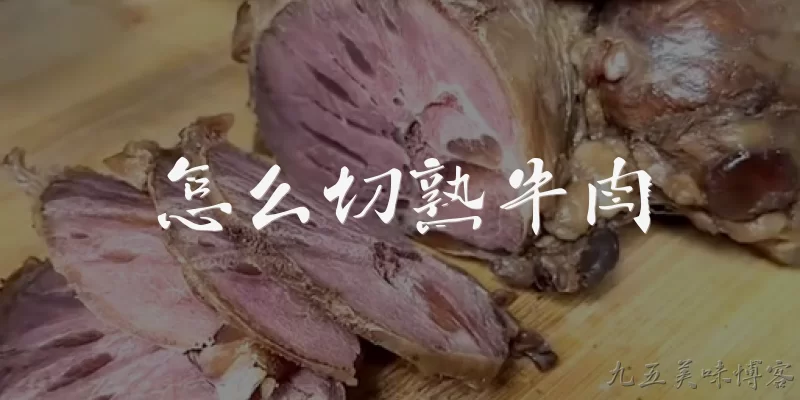
Dialogue about
Common scenarios of "How to slice cooked beef"
【Chef Instructor】 Alright, class, today we're focusing on how to slice cooked beef properly. This is crucial for tenderness and presentation. Any initial questions?
【Student】 Chef, I always struggle with getting even slices. What's the first thing I should check?
【Chef Instructor】 First, ensure your beef is fully rested. If it's hot from the oven, the juices will run out and the meat will shred. Let it rest for at least 10-20 minutes.
【Student】 Got it. So after resting, what kind of knife should I use?
【Chef Instructor】 A long, sharp slicing knife or a chef's knife. Sharper is better—it cuts cleanly without tearing the fibers.
【Student】 Does the grain direction really matter that much?
【Chef Instructor】 Absolutely. Always slice against the grain. That shortens the muscle fibers, making each bite more tender.
【Student】 How do I identify the grain? Sometimes it's hard to see after cooking.
【Chef Instructor】 Look for the natural lines or striations in the meat. If it's a roast, you can often see them on the surface. If not, make a small test cut.
【Student】 Okay, so I find the grain, then cut perpendicular to it. What thickness should I aim for?
【Chef Instructor】 It depends on the cut. For a tender steak like filet, you can go thicker, about 1/2 inch. For tougher cuts like brisket, slice thinner, 1/4 inch or less.
【Student】 Should I slice the whole roast at once or as needed?
【Chef Instructor】 Slice only what you'll serve immediately. The rest stays juicier as a whole piece. Reheat gently if needed.
【Student】 What about the angle of the knife? I've seen some chefs hold it at an angle.
【Chef Instructor】 Yes, a slight angle—about 45 degrees—can give you wider, more elegant slices, especially for roasts. But the key is still cutting across the grain.
【Student】 My slices sometimes come out ragged. Any tips to get clean cuts?
【Chef Instructor】 Use a smooth, sawing motion rather than pressing down. Let the knife do the work. Also, make sure your board is stable.
【Student】 Should I chill the beef before slicing? I've heard that helps.
【Chef Instructor】 For very thin slices, like for sandwiches, chilling for a few hours makes it easier. But for a hot meal, slice it warm after resting.
【Student】 What if I'm slicing a pot roast that's falling apart?
【Chef Instructor】 Then it's already very tender. Use a gentle hand and a sharp knife, and don't worry too much about perfect slices—just cut against the grain into chunks or thick slices.
【Student】 How do I keep the slices from drying out after cutting?
【Chef Instructor】 Keep them covered with foil or a warm sauce. Or return them to the juices. Don't let them sit uncovered for long.
【Student】 Is there a difference between slicing a steak and a roast?
【Chef Instructor】 Yes, a steak is usually a single muscle, so you just cut across the grain. A roast may have multiple muscles, so you might need to adjust the angle for each section.
【Student】 Chef, could you demonstrate the technique on this brisket?
【Chef Instructor】 Certainly. Watch closely: I'll trim off the excess fat, locate the grain, and make angled slices about a quarter-inch thick. See how the slices hold together but pull apart easily?
【Student】 That looks perfect. I'll practice that. Thanks, Chef!